 Save to Pinterest
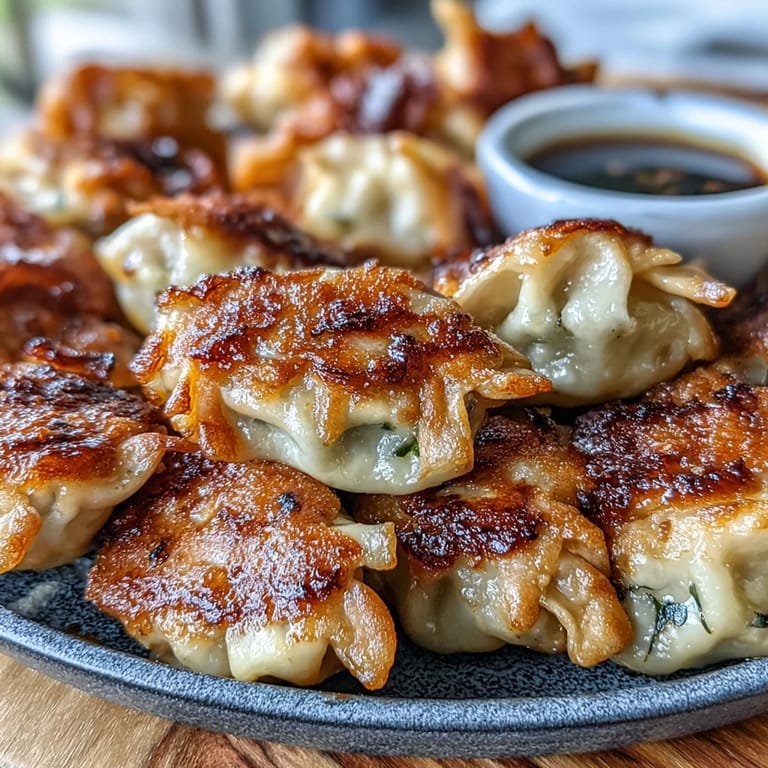
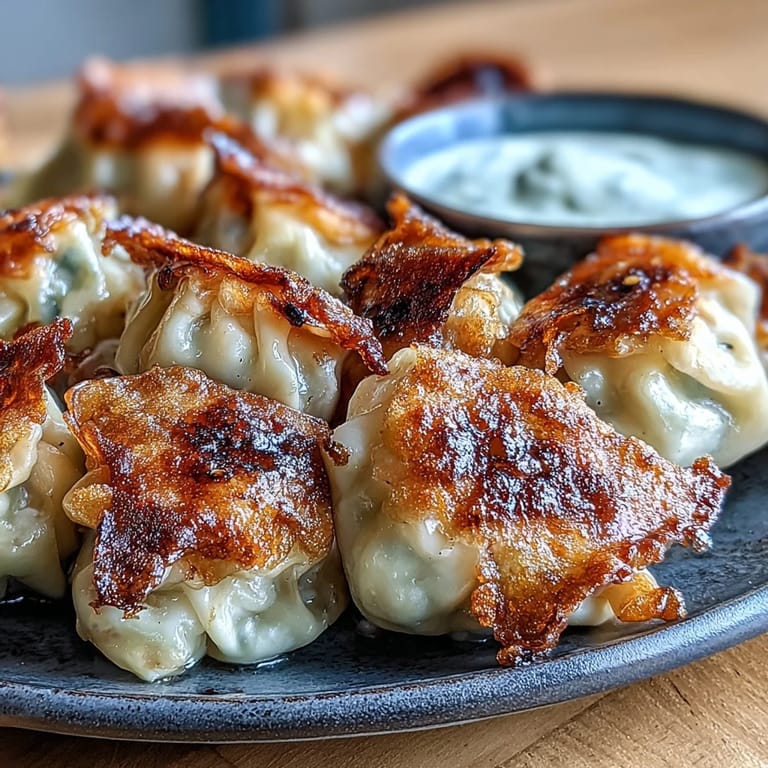
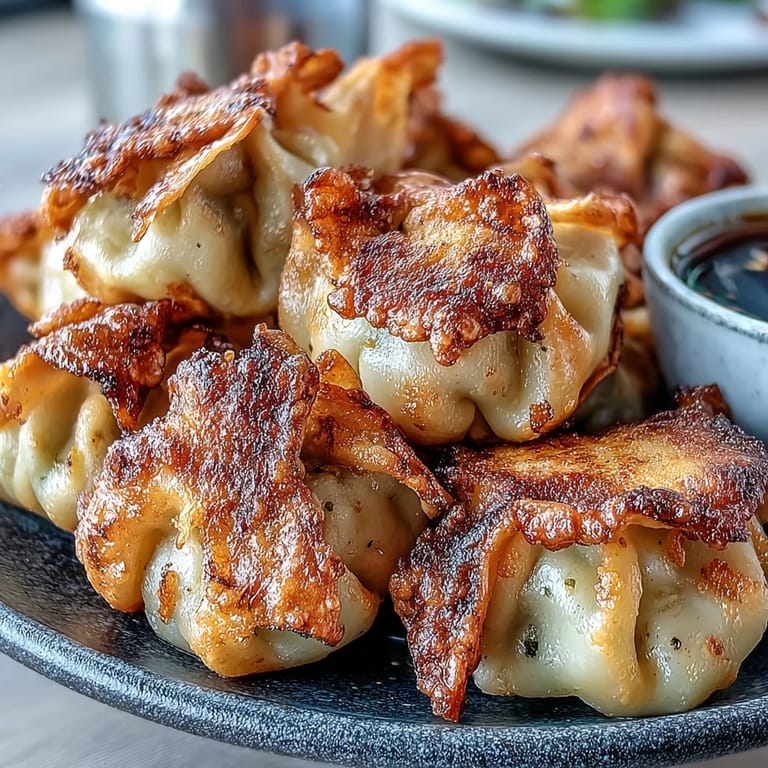
 The sharp sizzle when dumplings hit hot oil still gets me every time. I used to fold them carefully, obsessing over perfect pleats, until a friend showed me the smash technique and everything changed. Now I cook them until golden, add water for steam, then press them flat with my spatula to get those irresistible crispy edges. The filling stays juicy while the bottoms turn into crunchy, lacquered shells. It's become my go-to move when I want something impressive without the fuss.
I made these for a small dinner party once, thinking they'd just be a starter. Everyone crowded around the stove as I smashed each dumpling, watching the steam escape and the edges darken. We ended up eating them straight from the pan with chopsticks, dipping and laughing, and I never even served the main course. Sometimes the appetizer is all you need.
Ingredients
- Ground pork: Pork gives you the juiciest filling with just enough fat to keep everything tender, though chicken or turkey work beautifully if you prefer something leaner.
- Scallions: They add a fresh, sharp bite that cuts through the richness of the meat and sesame oil.
- Ginger: Grate it finely so it melts into the filling without leaving fibrous bits, and use fresh for the best punch.
- Garlic: One clove is enough to add depth without overpowering the delicate balance of flavors.
- Soy sauce: This is your main seasoning, bringing umami and saltiness to tie everything together.
- Sesame oil: A little goes a long way, adding that nutty, toasty aroma that makes dumplings smell like home.
- Rice vinegar: It brightens the filling and keeps it from tasting heavy or flat.
- Sugar: Just a pinch balances the soy and vinegar, rounding out the flavors.
- White pepper: It has a sharper, more floral heat than black pepper and feels more authentic in Asian dumplings.
- Napa cabbage: Squeeze it dry in a towel or the filling will be watery, then chop it fine so it blends seamlessly.
- Dumpling wrappers: Round gyoza wrappers are ideal, but square wonton wrappers work if you trim the corners.
- Vegetable oil: Use something neutral with a high smoke point so the dumplings crisp without burning.
- Water: This creates the steam that cooks the tops while the bottoms stay in contact with the heat.
- Chili oil: Optional but highly recommended for anyone who likes a little heat with their dipping sauce.
Tired of Takeout? 🥡
Get 10 meals you can make faster than delivery arrives. Seriously.
One email. No spam. Unsubscribe anytime.
Instructions
- Mix the filling:
- Combine the ground meat, scallions, ginger, garlic, soy sauce, sesame oil, rice vinegar, sugar, white pepper, and cabbage in a medium bowl. Use your hands or a fork to mix until everything is evenly distributed and slightly sticky.
- Fill the wrappers:
- Lay a wrapper flat, spoon about a tablespoon of filling into the center, then wet the edge with your fingertip dipped in water. Fold it in half and press firmly to seal, pleating the edge if you want them to look fancy.
- Arrange in the pan:
- Heat the oil in a large nonstick skillet over medium-high heat until shimmering. Place the dumplings flat side down in a single layer without crowding.
- Crisp the bottoms:
- Let them cook undisturbed for 2 to 3 minutes until the bottoms turn golden brown and release easily from the pan.
- Steam to cook through:
- Pour in the water carefully, cover immediately with a lid, and let them steam for 5 to 6 minutes until the water evaporates and the wrappers look translucent.
- Smash and finish:
- Remove the lid and press each dumpling gently with your spatula to flatten them slightly. Cook for another 2 minutes to crisp up the smashed sides.
- Make the dipping sauce:
- Whisk together soy sauce, rice vinegar, chili oil, and sesame seeds in a small bowl. Serve the dumplings hot with the sauce on the side.
 Save to Pinterest
 One evening I made a double batch and froze half on a baking sheet before transferring them to a bag. Weeks later, when a friend stopped by unexpectedly, I cooked them straight from the freezer and they tasted just as good. That's when these dumplings became more than a recipe, they became my secret weapon for spontaneous hospitality.
Customizing Your Filling
The base recipe is just a starting point. I've swapped the pork for ground turkey when I wanted something lighter, and I've added finely chopped shiitake mushrooms when I craved extra umami. A handful of chopped shrimp mixed with the pork makes them feel fancier, and a fully vegetarian version with tofu, mushrooms, and more cabbage works surprisingly well. The key is keeping the ratio of wet to dry ingredients balanced so the filling holds together without being soupy.
Storing and Reheating
Cooked dumplings keep in the fridge for up to three days, though they lose some crispness. To reheat, I skip the microwave and go straight back to the skillet with a splash of oil, pressing them down to re-crisp the bottoms. If you're freezing uncooked dumplings, arrange them on a parchment-lined tray so they freeze individually, then transfer to a bag. Cook them frozen, adding an extra minute or two to the steaming time.
Serving Suggestions
These dumplings shine as an appetizer, but I've served them as a main course with a side of stir-fried greens and steamed rice. They're great for parties because you can make them ahead and cook them in batches while guests mingle. I like to put out a few dipping sauces, soy and vinegar, chili oil, and even a little hoisin, so everyone can customize their experience.
- Pair them with a crisp Riesling or a dry rosé to balance the richness.
- Serve alongside pickled vegetables or a light cucumber salad for contrast.
- Offer extra chili oil and black vinegar at the table for those who want more heat and tang.
 Save to Pinterest
 There's something deeply satisfying about the rhythm of folding, frying, and smashing these dumplings. They're crispy, juicy, and just complicated enough to feel like an accomplishment without stressing you out.
Recipe FAQs
- → Can I make these dumplings ahead of time?
Yes, you can assemble the dumplings up to 24 hours in advance. Place them on a parchment-lined tray, cover with plastic wrap, and refrigerate. You can also freeze uncooked dumplings for up to 3 months and cook directly from frozen, adding 2-3 extra minutes to the steaming time.
- → What makes smash dumplings different from regular pan-fried dumplings?
The smashing technique is applied after steaming, pressing each dumpling gently with a spatula to flatten it slightly. This creates extra surface area that becomes incredibly crispy, giving you more golden crust and textural contrast with the tender filling.
- → Can I use store-bought dumpling wrappers?
Absolutely. Round gyoza or wonton wrappers work perfectly and save considerable time. Look for them in the refrigerated or frozen section of Asian grocery stores or well-stocked supermarkets. Just bring them to room temperature before using to prevent cracking.
- → How do I prevent the dumplings from sticking to the pan?
Use a good nonstick skillet and ensure it's properly heated before adding the dumplings. The oil should shimmer but not smoke. Arrange dumplings with space between them, and resist the urge to move them until the bottoms are properly golden and crispy.
- → What are good vegetarian substitutions for the pork filling?
Finely chopped mushrooms (shiitake work wonderfully), crumbled firm tofu, or plant-based ground meat all make excellent substitutes. Add extra vegetables like carrots, water chestnuts, or bamboo shoots for texture. Season generously as vegetables can be milder than meat.
- → Why do I need to squeeze the napa cabbage dry?
Napa cabbage contains a lot of water. If not squeezed dry, the excess moisture will make the filling watery and difficult to seal inside the wrappers. It can also cause the dumplings to become soggy during cooking instead of achieving that desired crispy bottom.