 Save to Pinterest
 I discovered microwave pasta during a particularly chaotic Tuesday when my office microwave became my unlikely hero. A deadline loomed, my stomach rumbled, and I had exactly twelve minutes to eat something substantial. That's when I realized a simple bowl, some dried pasta, water, and a few stirs could transform into a hot, satisfying meal without leaving my desk. Now it's my go-to move whenever life gets hectic and a proper kitchen feels like a luxury I don't have time for.
A friend once asked if I was joking when I mentioned making pasta in a microwave. Ten minutes later, she was eating from my bowl and asking why she'd never tried this before. What surprised us both was how the pasta actually absorbed flavor better when dressed while still steaming—the heat helped the sauce cling to every strand in a way that felt intentional, almost luxurious, despite the humble single-bowl setup.
Ingredients
- Dried pasta (75 g): Penne, fusilli, or elbow shapes work beautifully because their nooks catch sauce and cook evenly in the microwave without the risk of clumping that spaghetti sometimes gets.
- Water (500 ml): This seems like a lot, but it matters—pasta needs room to swim and release its starch, or you'll end up with a gummy mess instead of al dente texture.
- Salt (1/2 tsp): Don't skip this; it seasons the pasta from the inside out and stops it from tasting one-dimensional.
- Your chosen sauce (100 ml): Marinara, pesto, or Alfredo all work, and store-bought is genuinely fine here—this recipe celebrates simplicity, not pretension.
- Parmesan cheese (1 tbsp): A small amount adds real depth, especially if your sauce is on the mild side.
- Fresh herbs and seasonings: Basil or parsley brighten everything at the end, and a crack of black pepper makes it feel finished.
Tired of Takeout? 🥡
Get 10 meals you can make faster than delivery arrives. Seriously.
One email. No spam. Unsubscribe anytime.
Instructions
- Combine and submerge:
- Dump your dried pasta into a large microwave-safe bowl, add water and salt, and make sure everything is underwater. If pasta pokes above the surface, add a splash more water—exposed bits cook unevenly.
- First microwave blast:
- Microwave on high for four minutes without a cover. You'll hear it bubble and smell the starchy heat rising, which is exactly what you want.
- Stir and continue:
- Pull the bowl out carefully (the rim gets hot), give the pasta a good stir to separate any stuck strands, then microwave in two to three minute increments, stirring after each round. Most microwaves finish the job between eight and twelve minutes total, but yours might be faster or slower—this is where paying attention matters.
- Check for doneness:
- Taste a piece; you're hunting for that tender-but-still-slightly-firm moment. If it's still hard, give it another minute or two rather than over-cooking it to mush.
- Drain the water:
- Using a fine-mesh sieve is safest, but if you don't have one, carefully tilt the bowl and use a fork or spoon to hold back the pasta while water spills out. Go slow—the steam is real.
- Sauce and serve:
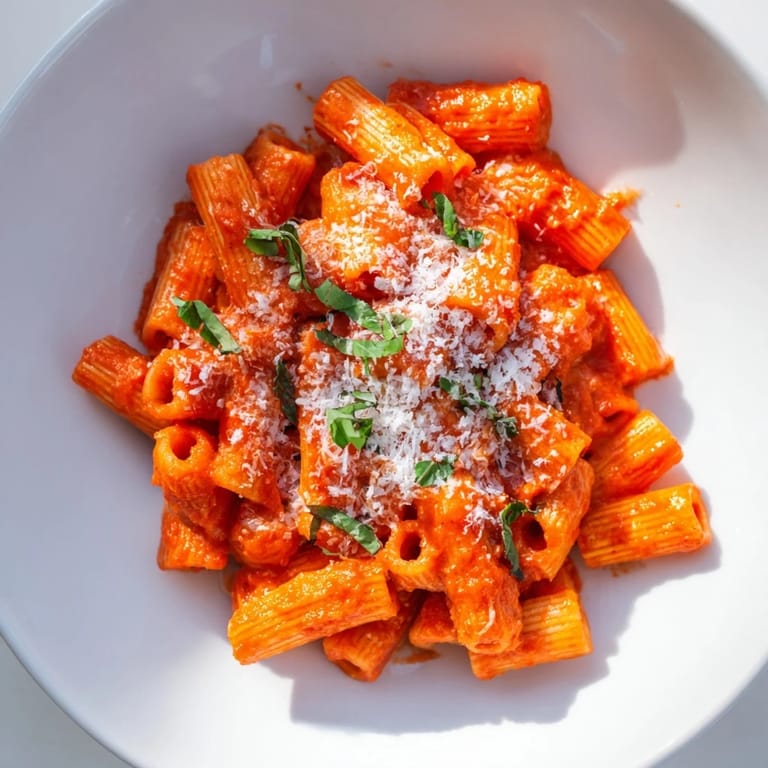
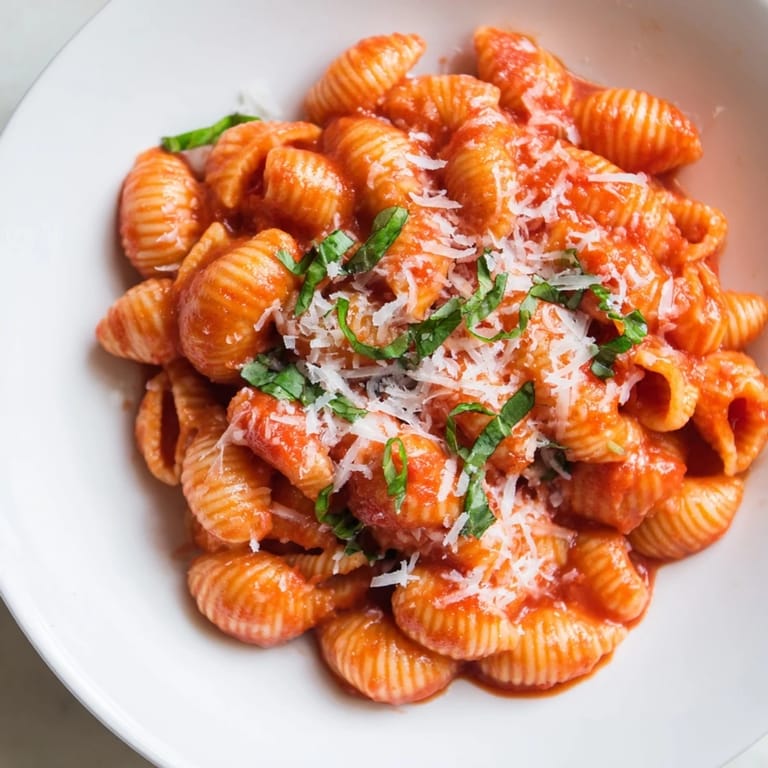
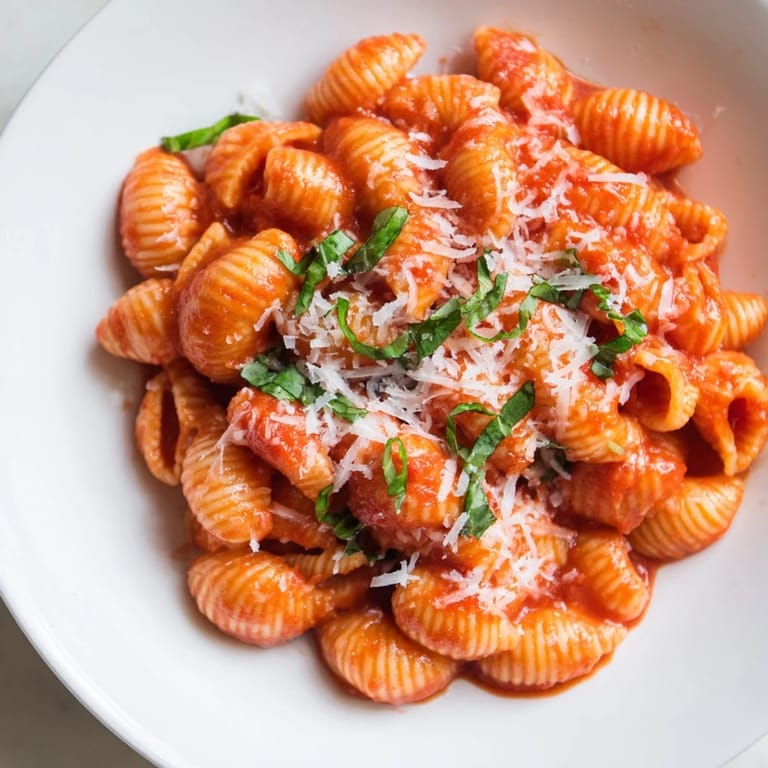
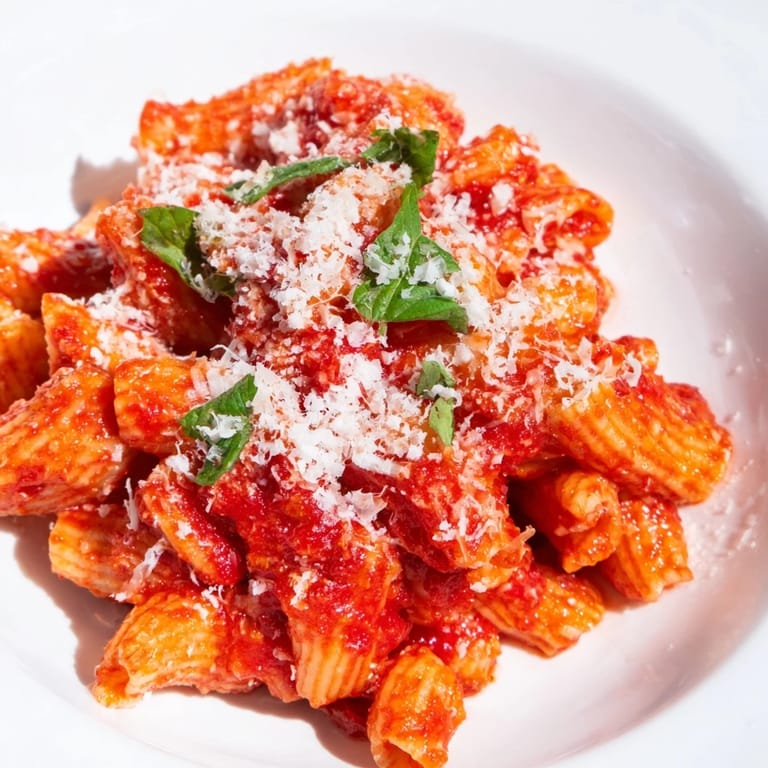
- Pour your sauce directly into the hot pasta and stir until every piece is coated. The warmth helps the sauce cling beautifully. Top with cheese and fresh herbs if you have them, taste for salt and pepper, and eat while it's hot.
 Save to Pinterest
  Save to Pinterest
 This recipe became a small ritual during a period when my life felt too scattered to cook properly. Something about watching dried pasta soften in a microwave bowl, then stirring in color and warmth, made me feel cared for by my own hands. It wasn't fancy, but it was honest—and sometimes that's exactly what you need.
Timing and Microwave Variables
Every microwave has its own personality. A 1000-watt machine will cook faster than a 700-watt one, and that eight-to-twelve-minute window is really just a starting point. My office microwave always finishes in nine minutes flat, but my friend's kitchen microwave needs nearly twelve. The trick is learning your machine's rhythm—after you've made this once or twice, you'll develop an intuition for when to pull the bowl out, and it becomes nearly automatic.
Sauce and Flavor Combinations
While marinara is the obvious choice, this method works beautifully with pesto if you have some in the freezer, or even a splash of store-bought Alfredo mixed with a pinch of garlic powder. You can also get creative with hot sauce, curry paste, or even a simple mix of olive oil, lemon juice, and garlic stirred in at the end. The microwave bowl doesn't judge—it just heats and holds whatever you throw at it.
Bonus Ideas and Variations
Once you've mastered the basic technique, the possibilities expand quietly. Drop frozen peas or spinach into the pasta during the last two minutes of cooking, and suddenly you've added vegetables without extra cleanup. Stir in shredded rotisserie chicken or a drained can of chickpeas for protein that feels substantial without fuss. Even a handful of cherry tomatoes tossed in at the very end adds brightness and texture.
- For a protein boost, add canned chickpeas or shredded cooked chicken to the finished dish.
- Frozen vegetables like peas or spinach soften perfectly if added during the last two minutes of cooking.
- Keep a small jar of pesto or hot sauce at your desk or in your office fridge for days when you want more flavor complexity than your usual sauce.
 Save to Pinterest
  Save to Pinterest
 Microwave pasta is proof that good meals don't require perfection, fancy ingredients, or hours of preparation—just a few minutes of attention and willingness to eat something warm. It's become my small rebellion against the myth that cooking must be complicated to count.
Recipe FAQs
- → How do I know when the pasta is done?
Check the pasta's tenderness after the initial cook time by tasting a piece. Continue microwaving in short increments if it's not yet al dente.
- → Can I use different pasta shapes?
Yes, penne, fusilli, or elbow macaroni work best as they cook evenly in the bowl with enough water coverage.
- → Is it necessary to stir during cooking?
Stirring every few minutes ensures even cooking and prevents pasta from sticking together.
- → How do I drain the pasta safely?
Use a fine-mesh sieve or carefully tilt the bowl while holding back pasta with a fork to pour out excess water.
- → Can I add vegetables or proteins to this method?
Yes, adding frozen peas, spinach, shredded chicken, or chickpeas during the last few minutes enriches the dish with extra nutrition and flavor.