 Save to Pinterest
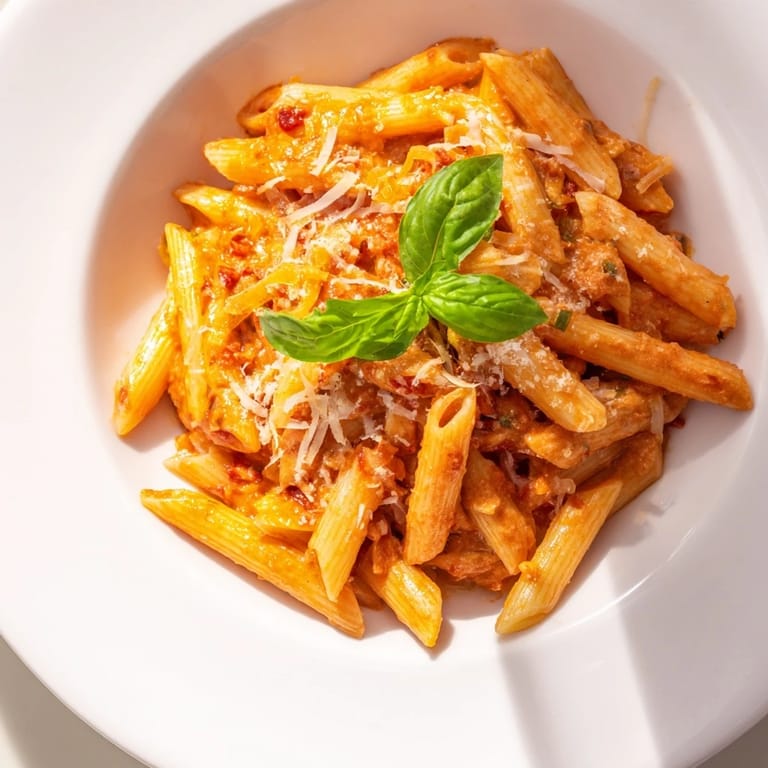
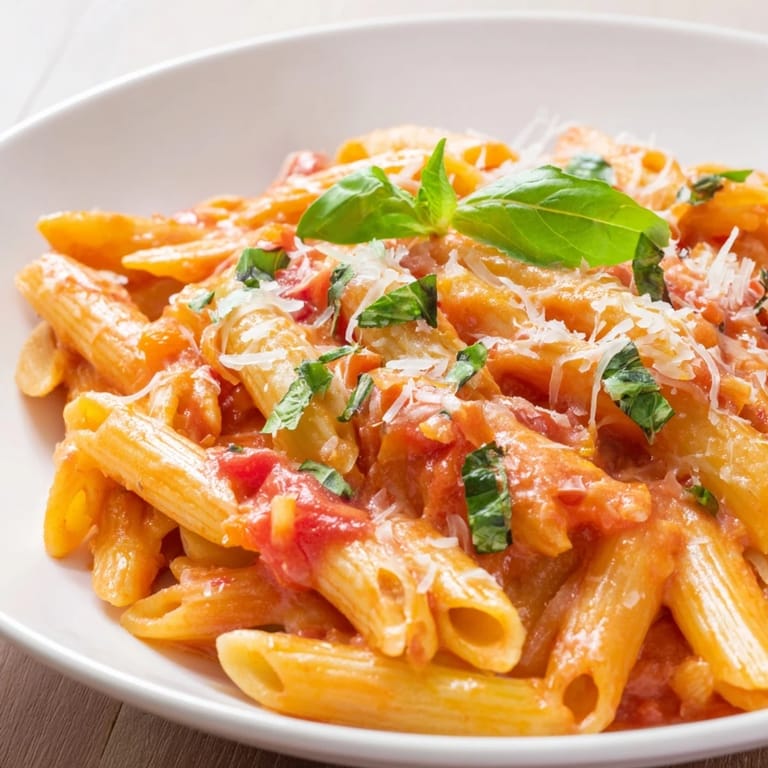
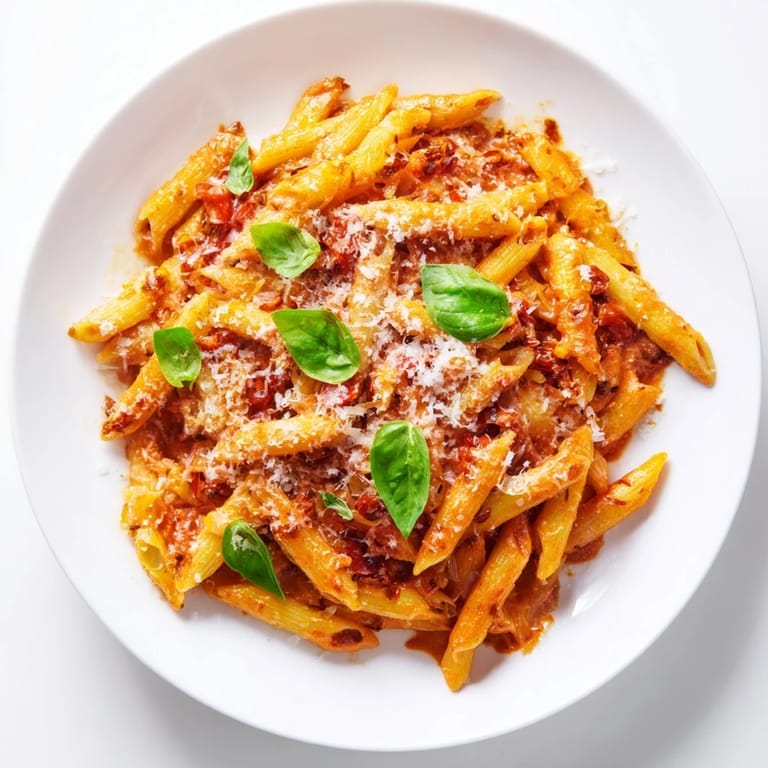
 There's something almost magical about watching pasta cook right in the sauce instead of in a separate pot—like you're building something from scratch rather than assembling it. I stumbled onto this creamy tomato pasta on a Tuesday night when I was too tired to juggle multiple pans, and what started as pure laziness turned into one of my most-requested dishes. The way the pasta absorbs all that garlicky tomato richness while the cream swirls in at the end feels less like cooking and more like creating comfort in a single vessel. Now whenever someone asks what to make when you want restaurant-quality food without the fuss, this is my answer.
I made this for my neighbor last spring when she'd just moved in, and she brought it up months later as the meal that made her feel welcomed. There's something about a warm, creamy bowl of pasta that says you care without saying much at all—no fancy plating needed, just pure comfort that tastes like someone spent time on you.
Ingredients
- Penne or fusilli pasta (350 g): These shapes trap sauce in every curve and crevice, so you get flavor in every forkful—skip smooth pasta or you'll miss half the magic.
- Olive oil (2 tbsp): Use something you actually like tasting; this isn't the time for the cheap stuff hiding in the back of your cabinet.
- Yellow onion (1 medium, finely chopped): The sweetness mellows the acidity of tomatoes and builds the flavor base before garlic even shows up.
- Garlic (4 cloves, minced): Don't use pre-minced from a jar—it tastes metallic and thin—fresh cloves transform the whole dish.
- Red pepper flakes (1/2 tsp, optional): A tiny whisper of heat that wakes everything up; you can skip it if spice isn't your thing.
- Canned crushed tomatoes (800 g): The canned ones here are actually better than fresh because they're already broken down and concentrated with flavor.
- Tomato paste (2 tbsp): This is your secret weapon for deepening the tomato flavor; it adds umami that makes people ask what's in it.
- Sugar (1 tsp): A tiny pinch balances the acidity—you won't taste it as sweetness, just a rounder, softer sauce.
- Salt and black pepper: Don't skip seasoning in layers; taste as you go because salt in the beginning won't taste the same as salt at the end.
- Heavy cream (200 ml): This softens the tomato edge and creates that silky texture that makes you close your eyes after the first bite.
- Parmesan cheese (60 g, freshly grated): Pre-grated cheese has anti-caking powder that makes it grainy; spend the two minutes grating fresh and you'll taste the difference immediately.
- Fresh basil (1 cup, chopped): Add this at the end so the color stays bright green and the flavor stays fresh instead of turning dark and muted.
- Water or vegetable broth (600 ml): Broth adds extra depth if you have it, but water works fine—the other flavors are strong enough to carry it.
Tired of Takeout? 🥡
Get 10 meals you can make faster than delivery arrives. Seriously.
One email. No spam. Unsubscribe anytime.
Instructions
- Heat oil and soften the onion:
- Warm olive oil in your pot over medium heat, then add the chopped onion and let it sit for 3–4 minutes, stirring occasionally, until it turns translucent and soft. This isn't the time to rush—those first few minutes build sweetness that the whole dish depends on.
- Wake up the aromatics:
- Add minced garlic and red pepper flakes, stirring constantly for about a minute until the smell hits you and you know it's ready. You'll smell the exact moment the raw garlic taste disappears and becomes something delicious.
- Build the sauce:
- Stir in crushed tomatoes, tomato paste, sugar, salt, and pepper, mixing everything together until there are no streaks of paste left. The mixture should smell like a proper Italian kitchen right about now.
- Add pasta and liquid:
- Break the pasta in half if it's too long, pour it into the pot, then add your water or broth until the pasta is mostly covered. Bring everything to a boil, which might take 3–4 minutes depending on your stove.
- Simmer and let magic happen:
- Lower the heat to medium-low, cover the pot, and let it bubble gently for 12–14 minutes, stirring every couple of minutes so nothing sticks to the bottom. The pasta will gradually absorb the liquid and transform from a soupy mixture into something creamy and cohesive.
- Finish with cream and cheese:
- Once the pasta is tender and most of the liquid is gone, uncover the pot and stir in the heavy cream and freshly grated Parmesan. Cook uncovered for 2–3 minutes, stirring gently, until everything is silky and the sauce coats the back of a spoon.
- Add basil and taste:
- Turn off the heat, fold in the chopped basil so it stays bright, then taste and adjust salt and pepper to your liking. This final taste is crucial because nothing else will get added after this.
 Save to Pinterest
 The first time I made this for myself alone on a quiet Sunday, I realized halfway through that I was genuinely excited about dinner—not because of some complicated technique, but because the kitchen smelled extraordinary and I could taste every single ingredient. That moment changed how I think about cooking: sometimes simple is actually the most powerful thing you can offer.
Why This Works as One-Pot Magic
Cooking pasta directly in sauce isn't just convenient—it's actually a technique that builds deeper flavor. The starch released from the pasta as it cooks thickens the sauce naturally, which means you don't need a roux or cornstarch or any tricks. Meanwhile, the pasta is soaking up tomato, garlic, and basil flavor from the moment it hits the pot, so every strand tastes intentional rather than plain. It's the cooking method itself that makes this dish special, not some secret ingredient hidden at the bottom of the recipe.
Cream, Cheese, and When to Add Them
I used to add cream and cheese together in one big dump, and the sauce would sometimes break into oily streaks. Now I understand that heavy cream needs gentleness—low heat, slow stirring, just a minute or two. The Parmesan should be fresh-grated because the anti-caking agents in pre-grated cheese create a slightly grainy texture that catches in your teeth. Add both when the pasta is already tender and the liquid is mostly absorbed, so they meld into something smooth instead of separating.
Variations That Still Feel Like This Dish
The base of this recipe is sturdy enough to handle additions without losing its identity. I've stirred in sautéed mushrooms and fresh spinach, roasted red peppers, or even a handful of sun-dried tomatoes, and it always tastes like a more interesting version of the same dish rather than something completely different. The key is not adding so much that you drown out the garlic and basil, which are really the stars here. A few handfuls of vegetables max, sautéed separately so they don't release water and dilute the sauce.
- Sautéed mushrooms add earthiness without making the dish feel heavier or more complicated.
- Fresh spinach wilts in at the end and adds color plus a subtle mineral quality that balances cream.
- A pinch of dried oregano stirred in with the tomatoes feels like a natural Italian addition without taking over.
 Save to Pinterest
 This pasta is the kind of dish that teaches you something about cooking if you pay attention—that simple ingredients in the right proportions and the right order create something much bigger than themselves. Make it once and you'll make it again, probably on a night when you need comfort and don't have the energy for complexity.
Recipe FAQs
- → What pasta works best for this dish?
Penne or fusilli are ideal as their shapes hold the creamy sauce well and cook evenly in one pot.
- → Can I make this dish vegan?
Yes, substitute plant-based cream and vegan cheese alternatives to maintain creaminess without dairy.
- → Should I use broth or water for cooking the pasta?
Using low-sodium vegetable broth adds depth of flavor, but water works fine for a lighter taste.
- → How can I add extra vegetables?
Sautéed mushrooms, spinach, or roasted vegetables can be folded in near the end for added nutrition and texture.
- → What is the best way to garnish this dish?
Freshly chopped basil and extra grated Parmesan enhance both flavor and presentation before serving.
- → How do I adjust the spice level?
Red pepper flakes add mild heat; reduce or omit them for a gentler flavor.