 Save to Pinterest
 My kitchen smelled like a trattoria the night I finally nailed this dish after three shaky attempts. The Marsala had always evaporated too fast or the cream split, but that fourth time, everything clicked: the wine simmered just long enough, the mushrooms caramelized instead of steaming, and the sauce clung to the chicken like silk. I stood at the stove tasting from a wooden spoon, realizing I'd stopped measuring and started feeling my way through it. That's when Chicken Marsala stopped being intimidating and started being dinner.
I made this for my sister's birthday one February, and she scraped her plate so clean I thought she might lick it. She's the type who usually leaves food behind, so watching her sop up every last bit of sauce with a heel of bread felt like winning. We sat at the table long after we finished, the skillet still warm on the stove, talking about nothing important while the windows fogged up from the pasta steam. That night taught me that good food doesn't need an occasion, it creates one.
Ingredients
- Boneless, skinless chicken breasts: Pounding them to an even half-inch thickness is the single best thing you can do for juicy, fast-cooking chicken that doesn't turn rubbery.
- All-purpose flour: A light dredge gives the chicken a golden crust and helps thicken the sauce just enough without making it gluey.
- Kosher salt and black pepper: Season the flour generously because this is your only chance to flavor the chicken itself before it hits the pan.
- Olive oil and unsalted butter: The combo gives you a high smoke point from the oil and rich flavor from the butter without burning.
- Cremini or white mushrooms: Slice them thick so they hold their shape and develop a deep brown edge, don't crowd the pan or they'll steam instead of sear.
- Garlic cloves: Add them after the mushrooms are done so they bloom in the residual heat without scorching and turning bitter.
- Dry Marsala wine: Use the real stuff from the wine aisle, not cooking Marsala, which tastes like salty regret.
- Low-sodium chicken broth: It lets you control the salt level, especially once the sauce reduces and concentrates.
- Heavy cream: Stir it in off high heat to keep it from breaking, and let it simmer gently until it thickens into a velvety coat.
- Dried thyme: A small amount adds an earthy backbone that balances the wine's sweetness without overpowering the dish.
- Fettuccine or spaghetti: Cook it one minute shy of the package time so it finishes soaking up sauce on the plate without turning mushy.
- Fresh parsley and Parmesan: A bright herb and a salty, nutty garnish bring the whole plate into focus at the last second.
Tired of Takeout? 🥡
Get 10 meals you can make faster than delivery arrives. Seriously.
One email. No spam. Unsubscribe anytime.
Instructions
- Boil the Pasta:
- Bring a large pot of salted water to a rolling boil and cook your pasta until al dente, then drain and set it aside while you work on the chicken. The pasta will stay warm enough and won't clump if you toss it with a tiny drizzle of olive oil.
- Pound the Chicken:
- Place each chicken breast between two sheets of plastic wrap and use a meat mallet or rolling pin to pound them to an even half-inch thickness. This ensures they cook through at the same rate and stay tender instead of drying out on the edges.
- Dredge in Seasoned Flour:
- Mix flour, salt, and pepper in a shallow dish, then dredge each chicken breast, shaking off the excess so you get a light, even coating. Too much flour will clump and burn, too little won't give you that golden crust.
- Sear the Chicken:
- Heat olive oil and butter in a large skillet over medium-high heat until shimmering, then add the chicken and cook four to five minutes per side until golden and cooked through. Transfer to a plate and tent loosely with foil to keep it warm while you build the sauce.
- Sauté the Mushrooms:
- Add another two tablespoons of butter to the same skillet, then toss in the sliced mushrooms and sauté for four to five minutes until they release their moisture and turn deeply browned. Stir in the garlic and cook for thirty seconds until fragrant, watching carefully so it doesn't burn.
- Deglaze with Marsala:
- Pour in the Marsala wine and scrape up all the browned bits stuck to the bottom of the pan, those are pure flavor. Let it simmer for two minutes to reduce slightly and cook off the raw alcohol edge.
- Build the Cream Sauce:
- Stir in the chicken broth, heavy cream, and thyme, then let the sauce simmer gently for three to four minutes until it thickens enough to coat the back of a spoon. Taste and adjust the seasoning with salt and pepper, remembering the Parmesan will add more salt later.
- Return the Chicken:
- Nestle the chicken and any accumulated juices back into the skillet, spooning sauce over the top, and let everything simmer together for two to three minutes. This allows the chicken to soak up some of that rich flavor and ensures it's piping hot when you serve it.
- Plate and Garnish:
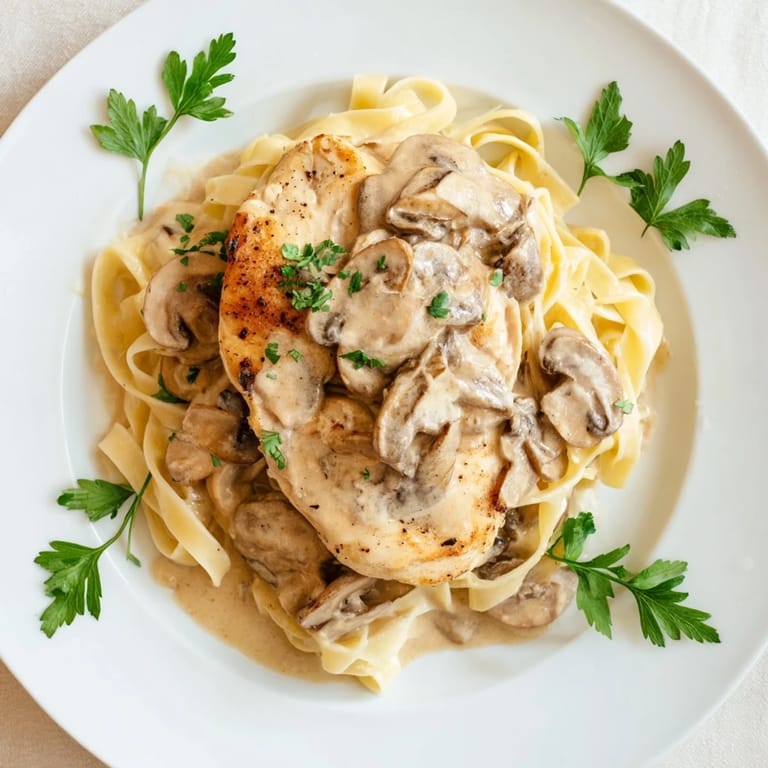
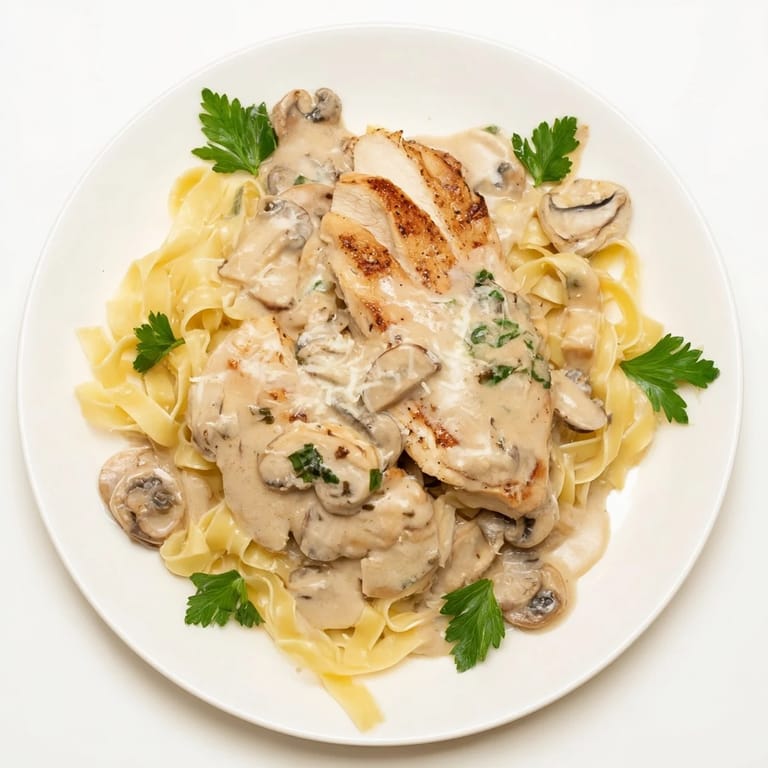
- Arrange the cooked pasta on plates or a platter, top with the chicken and a generous ladle of sauce, then finish with a sprinkle of fresh parsley and grated Parmesan. Serve immediately while the sauce is still glossy and the pasta is warm.
 Save to Pinterest
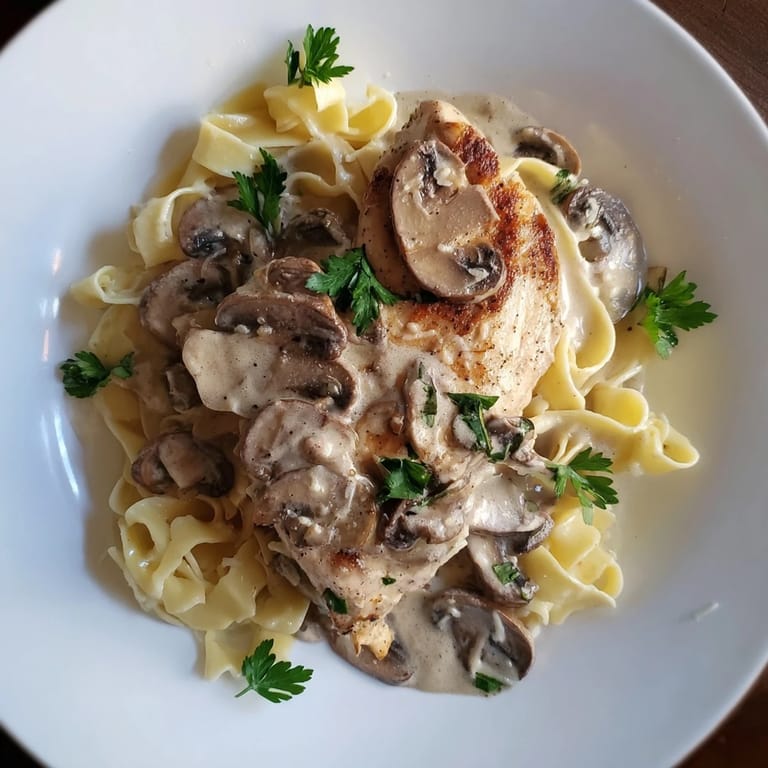
 The first time I served this to friends, one of them looked up mid-bite and said it tasted like the kind of meal you'd order on a date you wanted to impress someone. I laughed, but she was right: there's something about the way the wine and cream meld with the browned chicken that feels intentional and generous, like you put thought into every layer. It's become my go-to when I want to cook something that feels like a hug but also like I know what I'm doing.
Choosing Your Marsala
I learned the hard way that cooking Marsala and actual Marsala wine are not the same thing. The cooking kind lives near the vinegar and tastes like salty, sweetish sadness, while real dry Marsala from the wine section has depth and a nutty complexity that transforms the sauce. Spend the extra few dollars and buy a bottle you'd actually drink, you'll use the rest in another batch or sip it while you cook, and the difference in flavor is impossible to miss once you've tasted them side by side.
Making It Ahead
You can sear the chicken and make the sauce a few hours ahead, then store them separately in the fridge and reheat gently on the stove when you're ready to eat. The sauce might thicken as it cools, so add a splash of broth or cream when you rewarm it, and don't let it boil or the cream can break. I've done this for dinner parties, and it takes all the stress out of timing, you just boil fresh pasta and reheat everything while your guests pour wine and you actually get to talk to them instead of hovering over the stove.
Swaps and Tweaks
Boneless, skinless chicken thighs work beautifully here if you want something richer and harder to overcook, just adjust the cooking time by a minute or two since thighs are more forgiving. A splash of balsamic vinegar stirred in at the end adds a subtle tang that cuts through the cream, and I've also tossed in a handful of spinach during the last minute of simmering for color and a little vegetal balance. If you need this gluten-free, swap in your favorite GF flour blend for dredging and use gluten-free pasta, the sauce itself is naturally gluten-free as long as you check your broth label.
- Try fresh thyme instead of dried if you have it, the flavor is brighter and more pronounced.
- Swap fettuccine for pappardelle or even mashed potatoes if you want to switch up the base.
- Add a pinch of red pepper flakes to the garlic if you like a subtle kick that plays against the wine's sweetness.
 Save to Pinterest
 This dish has become my proof that restaurant-quality food doesn't require culinary school, just attention and a willingness to let things brown properly. Every time I make it, I'm reminded that cooking is mostly about patience, good ingredients, and tasting as you go.
Recipe FAQs
- → Can I use chicken thighs instead of breasts?
Yes, boneless thighs are an excellent substitute and provide richer, more forgiving meat that stays moist during cooking. You may need an extra minute or two per side when searing.
- → What if I don't have Marsala wine?
Dry sherry, white wine, or even brandy can work as substitutes. Each brings slightly different flavor notes, but the creamy sauce structure remains the same.
- → How do I prevent the sauce from breaking?
Keep heat at medium to medium-high and stir gently when adding cream. Avoid boiling vigorously after adding dairy, as high heat can cause the cream to separate.
- → Can this be made gluten-free?
Yes, simply substitute the all-purpose flour with gluten-free flour for dredging and use gluten-free pasta. The sauce is naturally gluten-free if using standard ingredients.
- → How can I make this dish ahead of time?
Cook the chicken and sauce completely, then refrigerate for up to 2 days. Reheat gently over low heat with a splash of broth to restore sauce consistency. Cook pasta fresh just before serving.
- → What pasta shapes work best?
Fettuccine and spaghetti are traditional choices, but any pasta that holds sauce well works—try pappardelle for extra elegance or even egg noodles for comfort-food vibes.