 Save to Pinterest
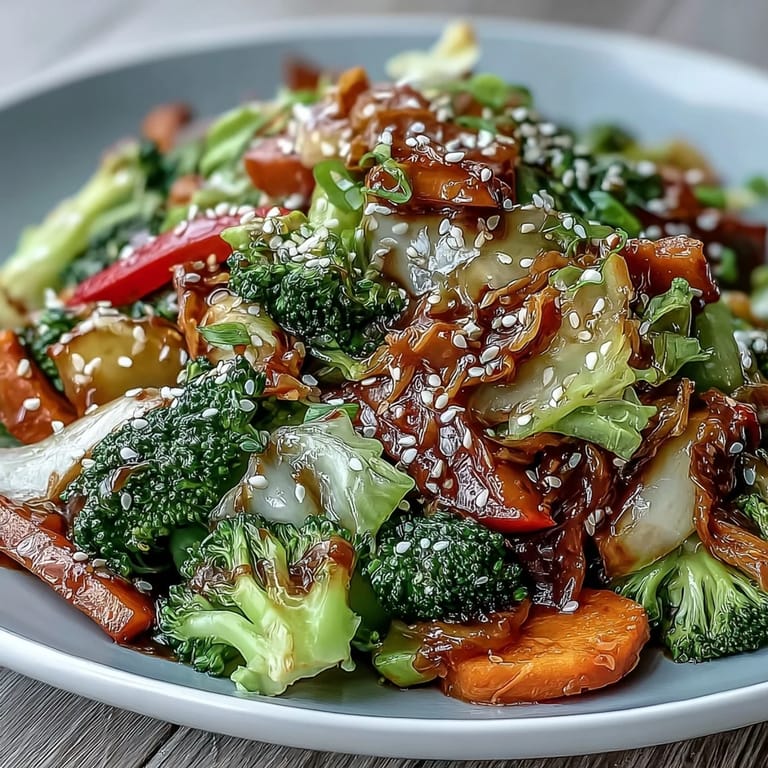
 There's something about the sound of vegetables hitting a hot wok that instantly transforms a day. Last winter, I was experimenting with ways to use up a container of kimchi that had been sitting in my fridge, and this stir-fry happened almost by accident. The combination of quick-cooked root vegetables with that tangy, probiotic finish felt like the kitchen was teaching me something about balance. It became my go-to meal when I wanted something warming but not heavy, vibrant but still grounded.
I made this for a friend who'd been asking for vegan recipes, and watching her face light up when she tasted that first forkful was a small victory. The warm vegetables and cool kimchi created this textural contrast she wasn't expecting, and suddenly we were both debating whether the sesame oil or the fermented tang was doing more heavy lifting. That's when I knew this wasn't just a recipe, it was a conversation starter.
Ingredients
- Broccoli florets: Cut them smaller rather than large so they actually soften in the quick cooking time while staying bright green.
- Carrots and parsnip: The bias cut isn't just for looks; it exposes more surface area to the heat, which means faster cooking and better flavor absorption.
- Sweet potato: Matchstick thickness is the secret here so it gets tender without turning mushy or becoming stringy.
- Green cabbage: Shredding it finely helps it wilt quickly while staying slightly crisp, adding textural complexity to each bite.
- Red bell pepper: Added near the end to maintain its sweetness and crunch, preventing it from becoming floppy.
- Fresh ginger: Grating rather than mincing releases more oils and distributes the warming spice throughout the oil evenly.
- Garlic: Minced fine so it flavors the oil quickly without burning, which happens faster than you'd think in high heat.
- Toasted sesame oil: The toasted variety has that deep, nutty flavor that regular sesame oil can't match, so don't skip this step.
- Soy sauce or tamari: Tamari is the move if you're avoiding gluten, and honestly it tastes smoother and less harsh in this dish.
- Rice vinegar: This brings brightness and cuts through the richness of the oil without overpowering the delicate vegetables.
- Maple syrup: Just a teaspoon balances the salty and acidic elements, creating a sauce that tastes intentional and complete.
- Kimchi: Choose a variety you actually enjoy eating, since it's the final note your palate remembers; the heat level is entirely up to you.
- Green onions and sesame seeds: These garnishes aren't optional if you want the finished dish to feel restaurant-quality and complete.
Tired of Takeout? 🥡
Get 10 meals you can make faster than delivery arrives. Seriously.
One email. No spam. Unsubscribe anytime.
Instructions
- Mise en place with intention:
- Before heat touches any pan, slice and chop everything into the sizes specified above. This moment of prep is actually meditative and ensures you're never scrambling midway through cooking.
- Heat your oil until it shimmers:
- Pour your sesame oil into a large wok or skillet and let it get hot over medium-high heat; you'll see the surface ripple and smell that toasted, nutty aroma intensify.
- Bloom the ginger and garlic:
- Add your minced ginger and garlic to the hot oil and let them sizzle for about 30 seconds, filling your kitchen with an aroma that makes you want to eat immediately. Don't let them brown or turn bitter, so keep moving forward quickly.
- Start with the slower vegetables:
- Toss in your carrots, parsnip, sweet potato, and broccoli florets, stirring constantly for the next 4 to 5 minutes. You're looking for the edges to soften while the centers still have a gentle resistance when you bite them.
- Finish with the delicate vegetables:
- Add your shredded cabbage and sliced bell pepper, continuing to stir-fry for another 3 to 4 minutes until everything feels crisp-tender to your spoon. This is when the vegetables really start to glisten and the colors deepen.
- Mix your sauce components:
- While the vegetables finish cooking, whisk together your soy sauce, rice vinegar, and maple syrup in a small bowl until the sweetness dissolves. This simple sauce is the backbone that ties everything together.
- Toss and coat everything evenly:
- Pour your sauce over the vegetables and toss constantly for about 30 seconds until every piece is coated and glossy. The heat will help the flavors meld while keeping everything from sticking to the pan.
- Cool slightly, then add the kimchi:
- Remove the pan from heat and add your chopped kimchi, gently tossing rather than aggressively stirring to preserve those living probiotics. The residual warmth is enough to integrate the flavors without destroying what makes fermented foods so special.
- Plate and garnish generously:
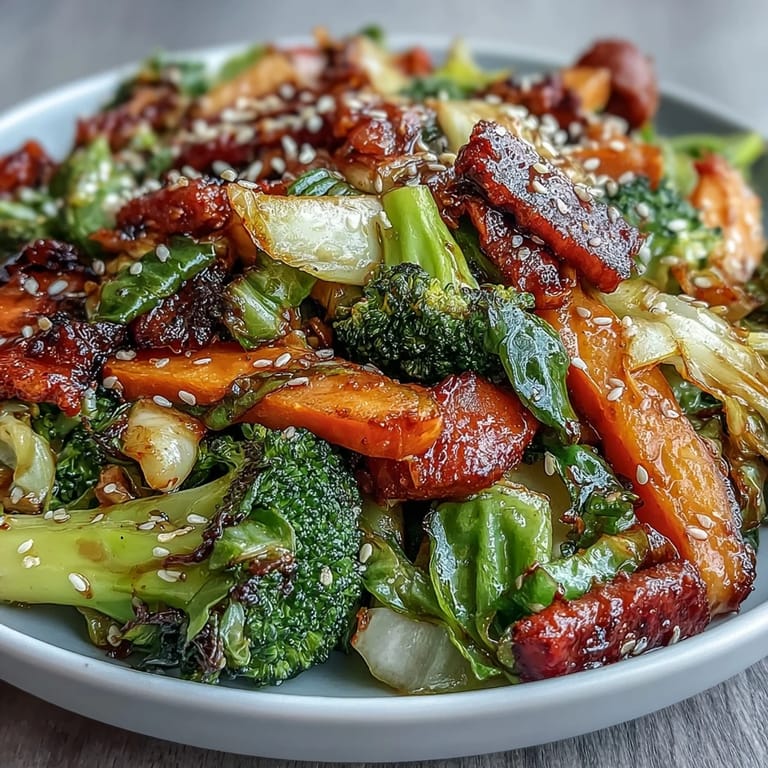
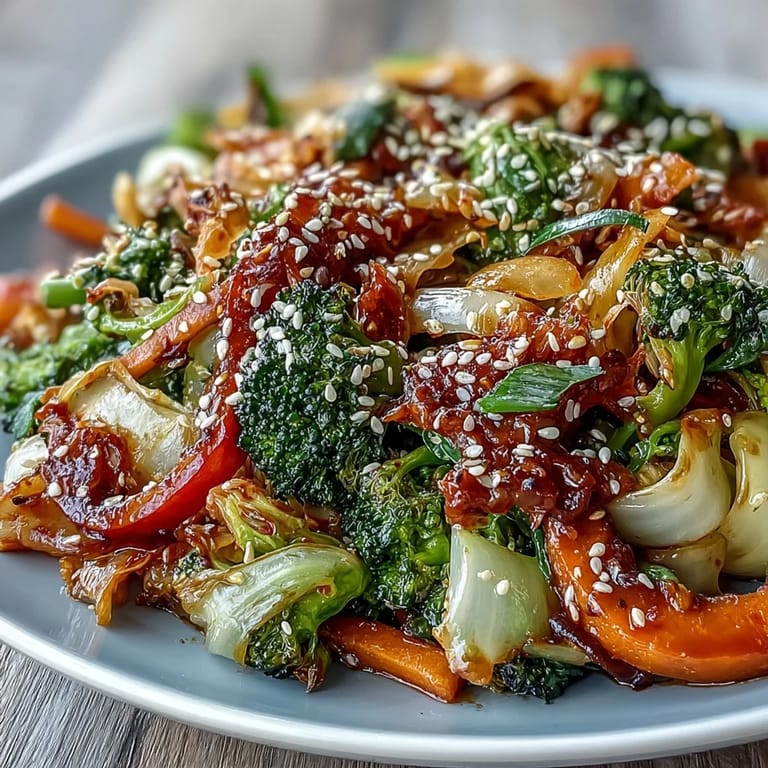
- Divide everything into bowls and top with sliced green onions and toasted sesame seeds, letting people see the layers of color and texture they're about to taste.
 Save to Pinterest
 This dish became my winter anchor last year when cooking felt like the only normal thing in a chaotic season. Something about the routine of cutting vegetables, the smell of toasted sesame, and the reward of a warm, satisfying meal reminded me why I love feeding myself well. It's the kind of recipe that works equally well as a solo dinner meditation or a shared moment with people you care about.
Why Texture Matters in This Dish
The contrast between the slightly yielding root vegetables, the silky cabbage, and the crisp bell pepper is what makes this stir-fry feel sophisticated rather than just a pile of cooked vegetables. When you cut everything to different sizes based on how quickly it cooks, you're actually respecting the natural properties of each vegetable. I learned this the hard way after making mushy stir-fries for years without understanding why restaurants always seemed to nail that perfect bite.
The Kimchi Moment
Kimchi is the star of the second act in this recipe, arriving when everything else is done. It's spicy, funky, alive, and completely changes the direction of the dish without overwhelming the delicate vegetables you've just finished cooking. Think of it as the plot twist that makes people lean back from the table and ask what just happened to their mouth in the best possible way.
Making It Your Own
Winter produces so many incredible vegetables that you'll find yourself naturally varying this recipe with whatever looks best at the market. The core technique of quick-cooking everything until crisp-tender and finishing with fermented tang is flexible enough to handle turnips, rutabaga, kale, or even daikon radish. The joy of this dish is that it teaches you a method rather than locking you into a single ingredient list.
- Serve it over steamed rice, quinoa, or soba noodles to turn it from a side into a complete, satisfying meal.
- Adjust your kimchi amount based on your heat tolerance and how funky you like things to get.
- Always taste as you go, because everyone's palate is different and your preferences matter more than the recipe.
 Save to Pinterest
 This is the kind of recipe that teaches you something every time you make it, whether it's about timing, seasoning, or how to respect the vegetables you're cooking with. Come back to it often, and let it become a practice rather than just dinner.
Recipe FAQs
- → Why add kimchi at the end of cooking?
Adding kimchi at the end preserves its beneficial probiotics and live cultures. High heat can destroy these gut-friendly bacteria, so gentle tossing after removing the pan from heat maintains both the nutritional benefits and the vibrant, tangy flavor kimchi brings to the dish.
- → Can I use other fermented vegetables besides kimchi?
Absolutely. Sauerkraut, pickled vegetables, or homemade fermented vegetables work wonderfully. Consider adjusting the seasoning slightly, as kimchi brings its own blend of spices and garlic that other ferments might lack.
- → What winter vegetables work best in this stir-fry?
Root vegetables like parsnips, sweet potatoes, carrots, and turnips hold up well during stir-frying. Broccoli, cauliflower, Brussels sprouts, and hearty greens like kale or cabbage also complement the dish beautifully while providing texture and substance.
- → Is this dish spicy?
The spice level depends on your kimchi choice. Traditional kimchi has some heat from gochugaru (Korean chili flakes). If you prefer milder flavors, select a less spicy kimchi variety or reduce the amount added to the finished dish.
- → Can I prepare vegetables ahead of time?
Yes. Cut all vegetables and store them in airtight containers in the refrigerator for 1-2 days before cooking. Having everything prepped and ready makes the actual cooking process quick and efficient, perfect for busy weeknight meals.
- → How do I make this dish gluten-free?
Simply substitute tamari or coconut aminos for the soy sauce. Also check your kimchi label, as some commercially produced kimchi contains soy sauce or other gluten-containing ingredients as part of the fermentation process.