 Save to Pinterest
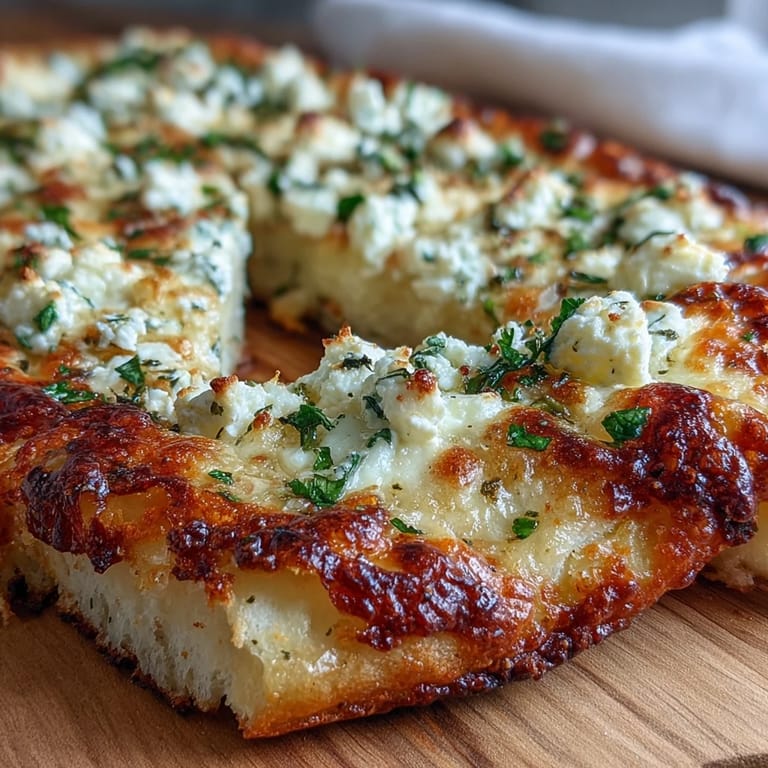
 One rainy Saturday, I opened the fridge and found half a tub of cottage cheese that nobody wanted to eat plain. I had been craving something warm and bread-like, but didn't want to wait hours for dough to rise. After tossing the cottage cheese into a bowl with flour, an egg, and a pinch of salt, I was shocked at how quickly those simple ingredients transformed into soft, golden flatbreads that puffed and blistered in my hot skillet. The kitchen smelled like a bakery, and my family devoured them before I could even plate the last one.
I remember making these on a weeknight when my daughter asked if we could have pizza, and I didn't have any dough in the freezer. I rolled out four of these flatbreads, let her spread marinara and sprinkle cheese on top, and slid them into the oven. She kept saying they tasted better than delivery, which might have been generous, but the pride on her face when she took her first bite made it one of my favorite cooking memories. Sometimes the best recipes are born from necessity and a willingness to experiment.
Ingredients
- All-purpose flour: This gives structure and chew, keep extra nearby for dusting so the dough doesn't stick to your counter or rolling pin.
- Baking powder: A small amount creates gentle lift and those beautiful air pockets that make each flatbread light instead of dense.
- Fine salt: Enhances every other flavor and balances the mild tang of the cottage cheese.
- Garlic powder: Optional but wonderful, it adds a savory whisper that makes these flatbreads taste intentional and restaurant-like.
- Full-fat cottage cheese: Drain it well by pressing it gently in a fine mesh strainer, the curds add moisture and protein while keeping the bread tender.
- Large egg: Acts as a binder and enriches the dough, helping everything come together into a cohesive, rollable ball.
- Olive oil: A tablespoon in the dough and a bit more for cooking gives a subtle richness and prevents sticking in the skillet.
- Fresh chopped herbs: Parsley or chives fold in little bursts of color and fresh flavor, but you can skip them if your herb drawer is empty.
- Water: Add only if needed, a teaspoon at a time, until the dough feels soft and slightly sticky rather than dry or crumbly.
Tired of Takeout? 🥡
Get 10 meals you can make faster than delivery arrives. Seriously.
One email. No spam. Unsubscribe anytime.
Instructions
- Whisk the dry ingredients:
- In a medium bowl, combine the flour, baking powder, salt, and garlic powder until evenly distributed. This step ensures every bite has balanced seasoning and lift.
- Mix the wet ingredients:
- In a separate bowl, combine the drained cottage cheese, egg, olive oil, and herbs, then use a fork to break up the curds until mostly smooth. It doesn't need to be perfectly creamy, just well blended.
- Form the dough:
- Pour the wet mixture into the dry ingredients and stir gently with a spatula until a shaggy dough forms. If it feels too dry, add water one teaspoon at a time until it comes together into a soft, slightly sticky ball.
- Knead gently:
- Turn the dough onto a lightly floured surface and fold it over itself 6 to 8 times, just enough to bring it into a smooth, cohesive ball. Over-kneading will make the flatbreads tough instead of tender.
- Rest the dough:
- Cover the dough with a clean kitchen towel or plastic wrap and let it rest at room temperature for 10 minutes. This brief rest relaxes the gluten and makes rolling much easier.
- Divide and shape:
- After resting, divide the dough into 4 equal portions and roll each into a smooth ball. Use a rolling pin or your hands to flatten each ball into a round about ¼ inch thick, dusting lightly with flour as needed.
- Heat the skillet:
- Warm a large nonstick or cast-iron skillet over medium heat and brush lightly with olive oil. The skillet should be hot enough that a drop of water sizzles and evaporates quickly.
- Cook the flatbread:
- Place one rolled flatbread in the hot skillet and cook for 2 to 3 minutes until bubbles form and the underside is golden brown. Flip and cook another 1 to 2 minutes until golden and cooked through, adjusting heat as needed.
- Keep warm:
- Transfer the cooked flatbread to a plate and cover with a clean towel to keep it warm and soft. Repeat with the remaining dough, adding more oil to the skillet if necessary.
- Serve:
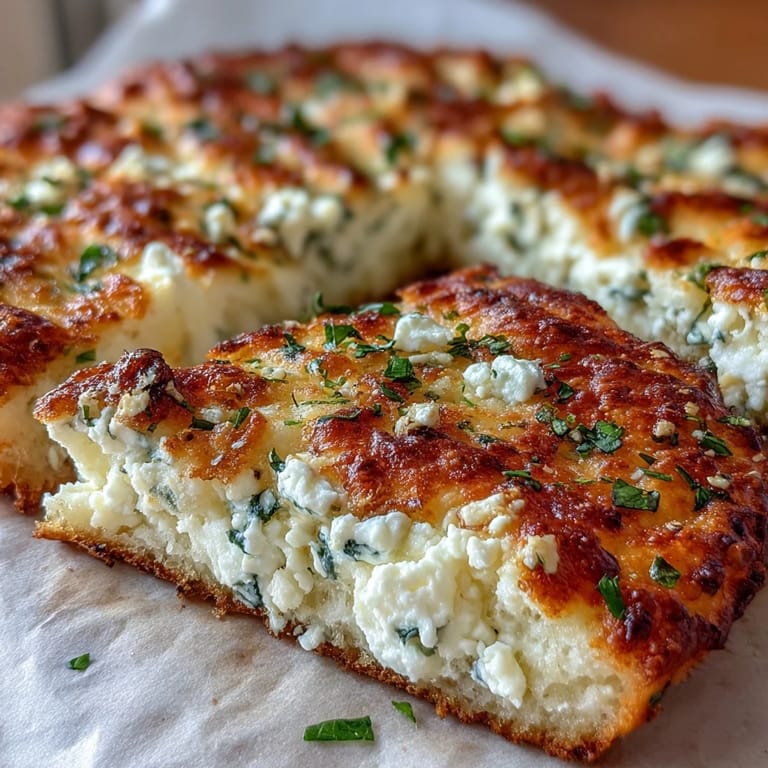
- Serve warm as a wrap, with dips, or as a pizza base with your favorite toppings. These are best enjoyed fresh but reheat beautifully in a skillet or microwave.
 Save to Pinterest
 I started keeping a batch of these in the freezer after I realized how perfectly they reheated. One evening, my husband came home late from work, and I pulled two flatbreads from the freezer, warmed them in a skillet, and filled them with leftover grilled chicken and cucumber. He said it tasted like I'd been cooking all day, and I smiled knowing it took me less than five minutes. That's when I realized this recipe wasn't just easy, it was a gift I could give myself on the hardest days.
How to Store and Reheat
Once cooled, stack the flatbreads with a piece of parchment paper between each one to prevent sticking, then slide them into an airtight container or resealable bag. They'll stay soft in the fridge for up to three days, or you can freeze them for up to a month. When you're ready to eat, reheat them in a dry skillet over medium heat for about 30 seconds per side, or wrap them in a damp paper towel and microwave for 15 to 20 seconds. The gentle steam brings back that just-cooked tenderness every time.
Flavor Variations to Try
Once you've made the basic version a few times, it's fun to fold in different flavors depending on what you're serving. I like to add a handful of finely chopped spinach or a few minced sun-dried tomatoes to the wet ingredients for color and a little extra flavor. You can also swap the garlic powder for onion powder, smoked paprika, or even a pinch of cumin if you're planning to use them for wraps with spiced fillings. Fresh dill works beautifully if you're serving them alongside Mediterranean dishes, and a sprinkle of everything bagel seasoning on top before cooking makes them irresistible.
Serving Suggestions
These flatbreads are wonderfully versatile and shine in so many different meals. Use them as a base for quick personal pizzas by adding marinara, cheese, and your favorite toppings, then baking at 425°F for 8 to 10 minutes until bubbly. They're also perfect for wraps, filled with grilled vegetables, hummus, falafel, or rotisserie chicken. I love serving them warm alongside soups, stews, or dips like baba ganoush, tzatziki, or spinach artichoke dip.
- Tear them into pieces and use them to scoop up creamy dips at a casual dinner party.
- Fill them with scrambled eggs, cheese, and avocado for a quick breakfast wrap.
- Brush with garlic butter and sprinkle with parsley for an easy garlic bread alternative.
 Save to Pinterest
 There's something deeply satisfying about pulling together a warm, homemade flatbread in less time than it takes to order takeout. I hope these become a staple in your kitchen the way they have in mine.
Recipe FAQs
- → Can I use different flour types?
Yes, a 1:1 gluten-free flour blend works well. Add one tablespoon ground flaxseed to help maintain texture and structure when substituting gluten-free options.
- → Why must the dough rest before rolling?
The 10-minute rest allows flour to fully hydrate and gluten to relax, making the dough much more pliable and easier to roll into thin, even rounds without springing back.
- → How do I know when the flatbread is done cooking?
Look for golden brown spots on the underside and bubbles forming across the surface. The second side needs just 1–2 minutes until it develops similar golden coloration.
- → Can I add mix-ins to the dough?
Absolutely. Finely chopped fresh spinach, sun-dried tomatoes, roasted peppers, or even crumbled feta incorporate beautifully. Keep additions to about two tablespoons total to maintain proper dough consistency.
- → What's the best way to reheat leftovers?
Warm in a dry skillet over medium-low heat for 30–60 seconds per side, or microwave briefly wrapped in a damp paper towel to restore softness and flexibility.
- → Can I freeze the dough?
Yes, shape the dough into balls, wrap individually in plastic, and freeze for up to one month. Thaw overnight in the refrigerator before rolling and cooking.