 Save to Pinterest
 The smell of tahini and lemon always takes me straight back to a cramped kitchen in Amman, where my neighbor showed me how to make hummus without measuring anything. She'd taste, hum thoughtfully, then add another splash of lemon or pinch of cumin until it was just right. I've been chasing that balance ever since, and this platter is my answer: a collection of bright, honest flavors that don't need much fuss. It's the kind of food that invites people to linger, to tear into warm pita and talk while they eat. Every time I set it out, someone ends up standing at the counter, dipping and nibbling until the bowl is scraped clean.
I made this for a friend's birthday once, spread across a wooden board I'd picked up at a flea market. She kept saying it looked too pretty to eat, but within minutes everyone was reaching across each other, laughing and debating whether the cucumber or the carrot was better for scooping. One guest, who claimed she didn't like olives, kept sneaking them off the platter when she thought no one was watching. That's when I realized this dish isn't really about the recipe, it's about what happens when you put good food within arm's reach of people you care about.
Ingredients
- Chickpeas: The backbone of the hummus, their mild nuttiness turns creamy and rich once blended with tahini and lemon. I always rinse them well to avoid any tinny aftertaste from the can.
- Tahini: This sesame paste brings depth and a slight bitterness that balances the brightness of lemon. Stir it well before measuring, since the oil separates and settles at the top.
- Fresh lemon juice: Bottled juice won't give you the same lively, clean tang. Squeeze it fresh and taste as you go, some lemons are sweeter than others.
- Extra virgin olive oil: A good drizzle on top adds richness and a peppery finish. Save your best bottle for this, you'll actually taste the difference.
- Garlic: One small clove is enough to add warmth without overpowering the hummus. If you're nervous about raw garlic, start with half and adjust from there.
- Ground cumin: A whisper of earthiness that makes the hummus feel complete. Too much and it takes over, so measure carefully.
- Salt: Essential for bringing all the flavors into focus. Add it gradually and taste after each pinch.
- Cold water: This is your texture control, thinning the hummus to a silky, scoopable consistency. Add it slowly so you don't accidentally make it too loose.
- Cherry tomatoes: Their sweetness and juiciness contrast beautifully with the creamy, salty elements. Halve them so they're easy to pick up with pita.
- Cucumber: Cool and crisp, it's the palate cleanser of the platter. Slice it thick enough that it doesn't wilt under the weight of hummus.
- Red bell pepper: Adds a pop of color and a subtle sweetness. I cut mine into wide strips so they can cradle a generous scoop of hummus.
- Carrot sticks: Their crunch is unbeatable, and they're sturdy enough to handle thick dips without breaking. Peel them for a cleaner look and sweeter flavor.
- Mixed olives: Briny and bold, they add a savory punch that cuts through the richness. I prefer a mix of green and Kalamata for variety in taste and color.
- Feta cheese: Tangy and crumbly, it brings a creamy saltiness that pairs perfectly with the vegetables. Cut it into cubes or rough slices so it's easy to grab.
- Pita bread: Warm pita is soft and pillowy, perfect for scooping and tearing. If it's cold, a quick toast in a dry skillet makes all the difference.
- Fresh parsley: A handful of chopped parsley over the hummus adds a bright, herbal note. It's a small touch, but it makes the platter feel finished.
- Sumac or paprika: A dusting of sumac adds a lemony tang, while paprika lends a gentle warmth. Either one turns the hummus from plain to polished.
- Lemon wedges: Set them on the side so everyone can squeeze a little extra brightness over their bites. Some people love it, some skip it, and that's the beauty of choice.
Tired of Takeout? 🥡
Get 10 meals you can make faster than delivery arrives. Seriously.
One email. No spam. Unsubscribe anytime.
Instructions
- Blend the hummus:
- Toss the chickpeas, tahini, lemon juice, olive oil, garlic, cumin, and salt into the food processor and let it run until the mixture is smooth and pale. Add cold water a tablespoon at a time, blending between each addition, until the hummus reaches a creamy, cloud like texture that holds its shape but isn't stiff.
- Taste and tweak:
- Dip a spoon in and taste it, then adjust the seasoning with more salt, lemon, or cumin if it needs a nudge. This is your chance to make it yours, so trust your palate.
- Spread and drizzle:
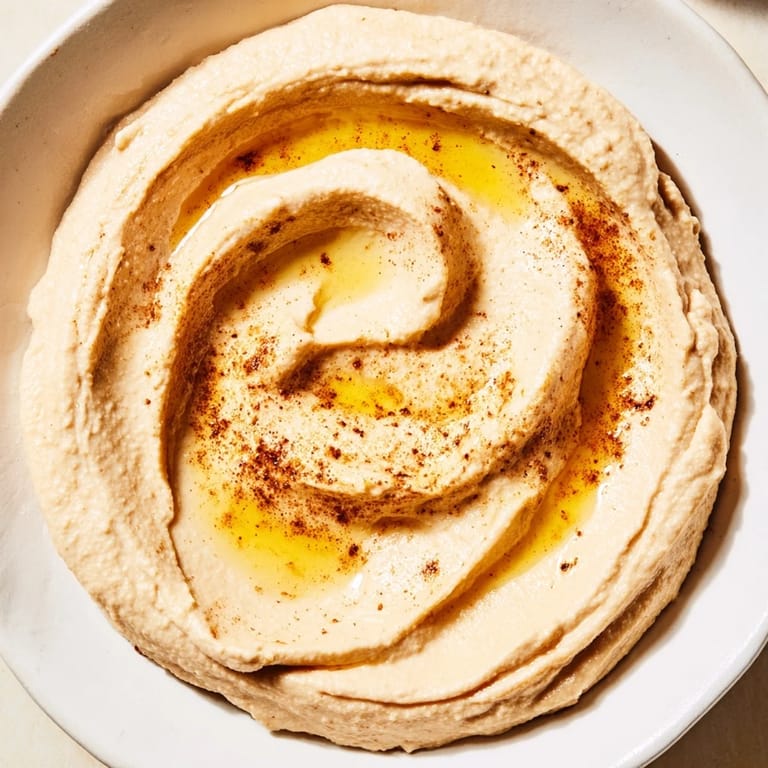
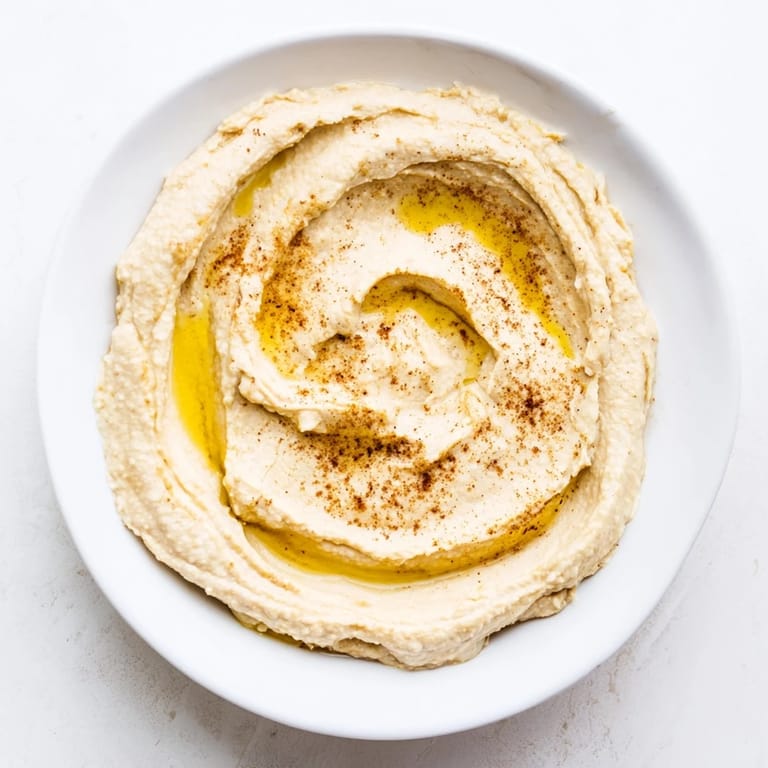
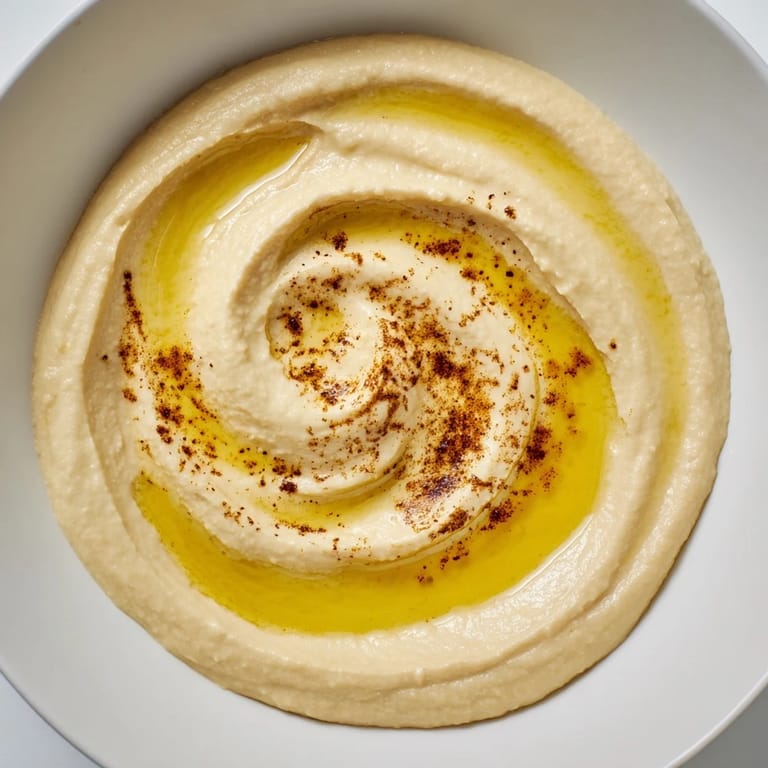
- Spoon the hummus into a shallow bowl or spread it directly onto a large platter, creating a gentle well in the center. Drizzle olive oil over the top and dust with sumac or paprika, letting the color settle into the grooves.
- Arrange the vegetables and extras:
- Place the cherry tomatoes, cucumber, bell pepper, carrot sticks, olives, and feta around the hummus in loose, artful clusters. Don't overthink it, a little asymmetry makes it look more inviting and less staged.
- Warm and add the pita:
- If you have a moment, warm the pita in a dry skillet or wrap it in foil and heat it in the oven until it's soft and fragrant. Cut it into triangles and tuck them into any open spaces on the platter.
- Garnish and serve:
- Scatter chopped parsley over the hummus and tuck lemon wedges into the corners of the platter. Set it on the table and watch it disappear, because it always does.
 Save to Pinterest
 One evening, I set this platter out for a group of friends who'd had a long, tiring week. No one said much at first, just reached for the food and started eating quietly. But slowly, the conversation picked up, someone laughed, someone else told a story, and before long the whole mood had lifted. I realized then that this kind of food, simple, colorful, meant to be shared, has a way of softening edges and bringing people back to themselves. It's not fancy, but it's generous, and that's what makes it feel special.
Choosing Your Ingredients
I used to think any chickpeas would do, but once I tried a brand that was firmer and less mushy, the hummus came out smoother and more flavorful. It's worth checking the texture before you blend. Same goes for tahini, some brands are bitter or separated, so stir it well and taste a spoonful before adding it to the mix. For the vegetables, pick what's in season and looks bright at the market. I've swapped bell peppers for radishes, added snap peas, or thrown in roasted beets when I wanted something a little different. The platter is forgiving, so follow your instincts and use what you love.
Assembling the Platter
The first time I made this, I arranged everything in neat little rows and it looked stiff, like a grocery store display. Now I pile things loosely, letting the colors bump into each other and overlap. I'll nestle the feta between the olives, scatter the tomatoes in clusters, and drape the pita over the edge of the board. It's supposed to look abundant and a little wild, like you just set out everything good you had in the kitchen. Use a large wooden board, a ceramic platter, or even a rimmed baking sheet, whatever feels right. The goal is to make people want to dive in without worrying about messing it up.
Storing and Serving
If you're prepping ahead, make the hummus up to three days in advance and store it in an airtight container in the fridge. Bring it to room temperature before serving, and give it a stir to loosen it up if it's thickened. Chop the vegetables the morning of and keep them in separate containers so they stay crisp. Assemble the platter right before guests arrive so everything looks fresh and vibrant. Leftovers keep well, though the pita will soften, so store each component separately and rebuild the platter the next day if you want to enjoy it again.
- If you're serving this at a party, double the hummus recipe because it always goes faster than you think.
- Add a small bowl of harissa or zhug on the side for anyone who wants a spicy kick.
- For a bigger spread, include stuffed grape leaves, falafel, or a simple tabbouleh salad to round it out.
 Save to Pinterest
 This platter has become my go to whenever I want to feed people without overthinking it. It's colorful, satisfying, and always brings everyone together around the table, which is exactly what good food should do.
Recipe FAQs
- → Can I make the hummus ahead of time?
Yes, hummus keeps well in the refrigerator for up to 5 days in an airtight container. Make it a day ahead and store with plastic wrap directly on the surface to prevent browning. Refresh with a drizzle of olive oil before serving.
- → What's the best way to warm pita bread?
Wrap pita in foil and warm in a 350°F oven for 5-7 minutes, or place directly over a gas flame for 10-15 seconds per side until soft and pliable. You can also use a skillet over medium heat for 1-2 minutes per side.
- → How do I prevent the hummus from browning?
Store hummus in an airtight container with plastic wrap pressed directly onto the surface to minimize air exposure. Alternatively, cover with a thin layer of olive oil, which creates a protective seal and adds flavor.
- → Can I make this platter gluten-free?
Absolutely. Replace regular pita with gluten-free pita bread or serve with gluten-free crackers. Always verify that tahini and other ingredients are certified gluten-free and check labels for cross-contamination warnings.
- → What vegetables work best for a mezze platter?
Choose crisp, colorful vegetables that hold well and offer variety in texture and flavor. Cherry tomatoes, cucumber, bell peppers (red, yellow, or orange), radishes, carrot sticks, and celery are ideal. Roasted eggplant or zucchini add depth.
- → What cheese alternatives pair well with mezze?
Besides feta, try labneh (strained yogurt), goat cheese, halloumi, or ricotta salata. Each brings different richness and saltiness. Labneh offers a creamy, tangy option that complements the vegetables beautifully.