 Save to Pinterest
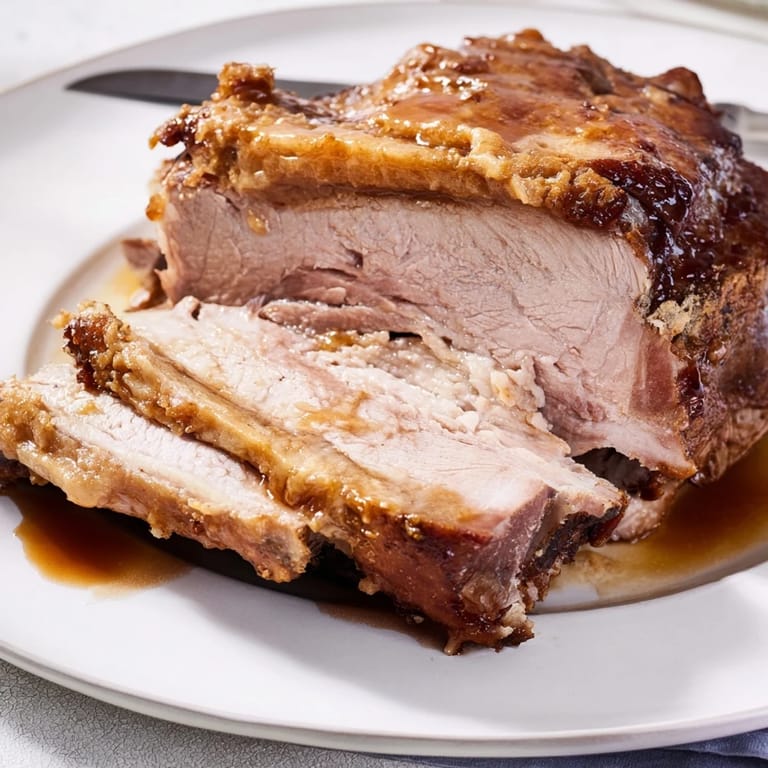
 The smell hit me before I even opened the oven door—sweet, sharp cider mixing with crackling fat and charred rosemary. My neighbor knocked just as I was basting, drawn by the scent drifting through the hallway. I handed her a fork and a plate twenty minutes later, and she didn't say a word until it was gone. That pork shoulder, glossy and bronze under its cider glaze, became my go-to for every gathering that mattered.
I made this for my brother's birthday one November, and halfway through roasting, the power flickered during a storm. We lit candles, checked the oven obsessively, and when the lights came back on, that pork emerged more beautiful than I'd imagined. Everyone sat around the table in coats, laughing and tearing into it with their hands. It became the story we told every year after.
Ingredients
- Bone-in pork shoulder (4–5 lb): The bone keeps everything moist and adds flavor to the drippings; ask your butcher to score the skin if it isn't already.
- Olive oil: Helps the seasoning stick and starts the browning process before the fat renders out.
- Kosher salt and black pepper: Season generously—this is a big piece of meat and needs bold flavor all the way through.
- Onion, garlic, rosemary, and thyme: They build a fragrant base in the pan and perfume the pork as it roasts.
- Apple cider: Use fresh, unfiltered cider if you can find it; the natural sweetness reduces into something almost jammy.
- Apple cider vinegar: Cuts through the richness and balances the glaze with a bright, clean edge.
- Dijon mustard: Adds depth and a subtle tang that keeps the glaze from being one-note sweet.
- Light brown sugar: Helps the glaze thicken and caramelize beautifully in the final roast.
- Unsalted butter: Whisked in at the end, it gives the glaze a silky finish and glossy shine.
Tired of Takeout? 🥡
Get 10 meals you can make faster than delivery arrives. Seriously.
One email. No spam. Unsubscribe anytime.
Instructions
- Prep the pork:
- Pat the shoulder completely dry with paper towels so the skin can crisp properly. Rub it all over with olive oil, then season every surface with salt and pepper, pressing it into the scored skin.
- Build the aromatic bed:
- Scatter the onion quarters, smashed garlic, rosemary, and thyme across the bottom of your roasting pan. Nestle the pork on top, skin side up, so the aromatics flavor the drippings.
- Slow roast:
- Slide the pan into a 300°F oven and let it roast uncovered for 4 hours, basting with the pan juices every hour. The pork will turn golden and the meat will start pulling away from the bone.
- Make the cider glaze:
- While the pork roasts, combine apple cider, vinegar, mustard, brown sugar, and pepper in a saucepan over medium-high heat. Boil, then simmer until it reduces by half and coats the back of a spoon, about 20–25 minutes; whisk in the butter until smooth.
- Glaze and caramelize:
- Crank the oven to 425°F and brush the pork generously with the glaze. Roast for 20–30 minutes, brushing again halfway through, until the skin is deep bronze and crackling at the edges.
- Rest and serve:
- Let the pork rest under loose foil for 20 minutes so the juices settle back into the meat. Slice or shred, then drizzle with the remaining warm glaze.
 Save to Pinterest
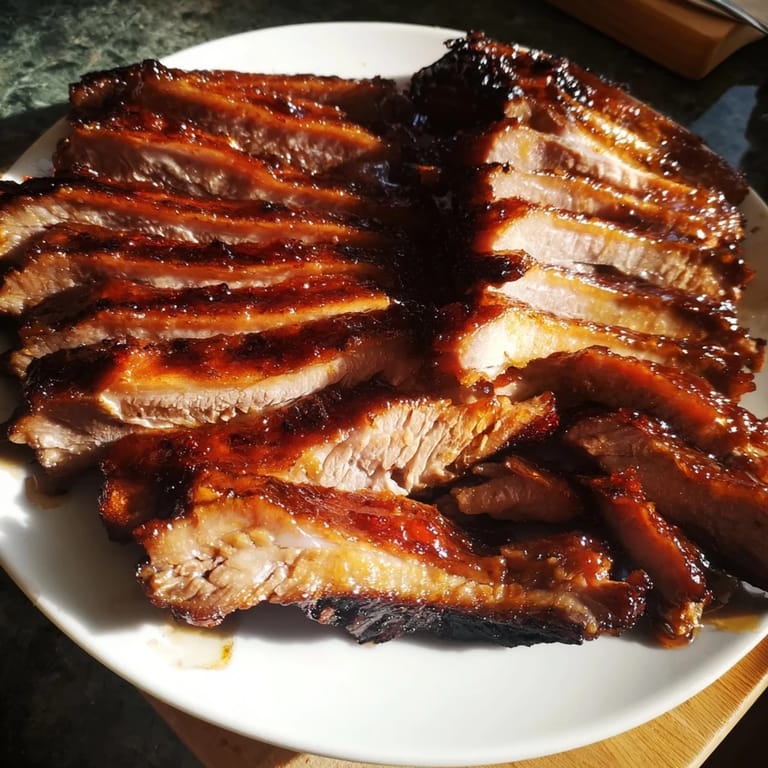
 The first time I shredded a shoulder like this, still steaming and falling apart under my forks, I understood why people plan whole dinners around a single cut of meat. It wasn't just food—it was the center of the table, the reason everyone stayed late, the thing that made strangers feel like family.
Getting the Skin Right
Scoring the skin lets the fat render out and the seasoning sink in, but if your butcher didn't do it, use a sharp knife to make shallow cuts in a crosshatch pattern. Pat it obsessively dry before the olive oil goes on. That final blast at 425°F is when the magic happens—the glaze bubbles and chars just enough to turn sticky and crackling. If you want it even crispier, hit it with the broiler for two minutes, but watch it like a hawk so it doesn't burn.
What to Serve Alongside
This pork is rich and savory with that sweet-tart glaze, so it loves sharp, crunchy, or earthy sides. Roasted root vegetables soaked in the pan drippings are perfect, or creamy mashed potatoes to soak up extra glaze. I've served it with a crisp apple slaw dressed in cider vinegar and it cut through the richness beautifully. Crusty bread for mopping up every last bit of sauce is non-negotiable.
Leftovers and Variations
Leftover pork turns into pulled pork sandwiches, breakfast hash with fried eggs, or tacos with pickled onions and cilantro. You can swap the apple cider for hard cider if you want a deeper, more complex glaze with a hint of boozy warmth. I've also added a tablespoon of maple syrup to the glaze when I'm feeling indulgent, and it works beautifully.
- Freeze shredded pork in portions with a little glaze for quick weeknight meals.
- Use the pan drippings to make gravy by whisking in a bit of flour and stock.
- If you don't have fresh herbs, dried rosemary and thyme work fine—just use half the amount.
 Save to Pinterest
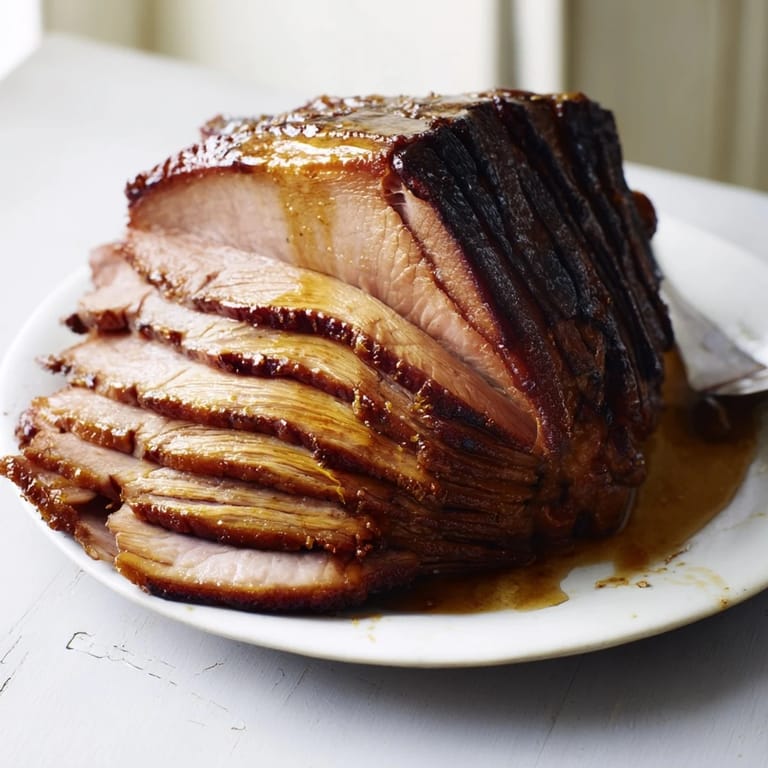
 This pork shoulder has carried me through holidays, apologies, celebrations, and quiet Sunday dinners when I just wanted something that felt like home. It never lets me down.