 Save to Pinterest
 My neighbor brought over a jar of dandelion honey last spring, golden and thick, with a floral note that caught me completely off guard. I'd never thought to bake with it until she mentioned how perfectly it paired with lemon—something about the way the sweetness and brightness balanced each other. That afternoon, I found myself mixing up this cake almost by instinct, and the kitchen filled with this unexpected perfume that felt like bottled sunshine. It became the cake I make whenever someone needs reminding that spring has actually arrived.
I made this for a small garden party last May, and watching people close their eyes after the first bite—really pause and just taste it—was one of those quiet kitchen victories that stays with you. Someone said it tasted like a memory, which made me laugh until I realized they weren't exaggerating. That's when I knew this cake had become something I'd make again and again.
Ingredients
- All-purpose flour (2 cups / 250 g): Use a light hand when measuring—scoop and level rather than packing it down, because that's where most baking mistakes start.
- Baking powder and baking soda (1 1/2 tsp and 1/2 tsp): These two work together to give you lift and slight tang, so don't skip the baking soda even though the amount seems small.
- Fine sea salt (1/2 tsp): This isn't just background noise—it amplifies the lemon and honey flavors in a way that plain salt somehow doesn't.
- Unsalted butter (1/2 cup / 115 g), room temperature: Cold butter won't cream properly, and creaming is where the magic of a tender crumb happens.
- Dandelion honey (1/2 cup / 120 ml): If you can't find it, regular honey works, but dandelion has this distinctive floral quality that makes the cake feel special—hunt for it at farmers markets or online.
- Granulated sugar (1/2 cup / 100 g): This combines with the honey to create structure and sweetness; the honey alone wouldn't give you quite enough sweetness.
- Eggs (3 large), room temperature: Room temperature eggs incorporate more smoothly and create a finer crumb than cold ones straight from the fridge.
- Pure vanilla extract (1 tsp): Don't use imitation here—the real stuff adds depth that complements the floral honey beautifully.
- Whole milk (1/2 cup / 120 ml), room temperature: This keeps the batter from splitting and ensures your cake stays moist without being gummy.
- Lemon zest (2 tbsp from about 2 lemons): Zest directly over your mixing bowl so you don't lose those precious oils on your cutting board.
- Freshly squeezed lemon juice (2 tbsp): Fresh juice matters here because bottled lemon juice tastes a bit flat and metallic in comparison.
- Powdered sugar for glaze (1 cup / 120 g), sifted: Sifting removes lumps and gives you a smooth, pourable glaze instead of grainy texture.
- Lemon juice for glaze (2–3 tbsp): Add this gradually because you're aiming for a glaze that drips gently, not one that runs off the cake like water.
- Dandelion honey for glaze (1 tbsp): A small amount here keeps the glaze from being purely sharp—it softens the citrus slightly.
Tired of Takeout? 🥡
Get 10 meals you can make faster than delivery arrives. Seriously.
One email. No spam. Unsubscribe anytime.
Instructions
- Get your oven ready and prepare your pan:
- Preheat to 350°F (175°C) and grease a 9-inch round cake pan thoroughly, then flour it well or line with parchment—this step is non-negotiable if you want the cake to release cleanly. The parchment method is honestly easier and gives you prettier cake edges.
- Combine your dry ingredients:
- Whisk together flour, baking powder, baking soda, and salt in a medium bowl until everything looks evenly distributed. This pre-mixing prevents streaks of baking soda that would taste bitter in random bites.
- Cream butter, honey, and sugar into submission:
- Beat these together for about 3 minutes until the mixture goes pale and fluffy—this is where you're incorporating air that will make your cake tender. Stop and scrape the bowl sides occasionally so nothing gets left behind.
- Add eggs one at a time with care:
- Beat in each egg fully before adding the next, because this gradual incorporation creates an emulsion that keeps the batter smooth and unified. You'll see the mixture go slightly curdled after each egg, then come back together—this is normal.
- Stir in vanilla, lemon zest, and lemon juice:
- Mix until everything is evenly distributed and you can see those little bright flecks of zest throughout the batter. The mixture might look slightly separated here, but the flour will bring it back together.
- Add dry and wet ingredients in alternating thirds:
- Start with flour, then milk, then flour again, ending with flour—this protects the batter from overmixing and keeps it tender. Stir just until you don't see dry flour anymore; lumps are actually your friend because they mean you haven't overworked the gluten.
- Pour into pan and bake:
- Smooth the top gently and bake for 35–40 minutes until a toothpick comes out clean or with just a few moist crumbs. The cake will spring back when you touch it gently in the center when it's done.
- Cool with patience:
- Let it sit in the pan for 10 minutes—this allows the structure to set—then turn it out onto a wire rack to cool completely. Trying to glaze a warm cake is a recipe for glaze running off, so really wait until it's room temperature.
- Make the glaze and finish:
- Whisk powdered sugar with lemon juice gradually, tasting as you go, until you reach that perfect consistency where it drips but doesn't pour. Stir in the dandelion honey for depth, then drizzle it over the cooled cake and let it set for 10–15 minutes before slicing.
 Save to Pinterest
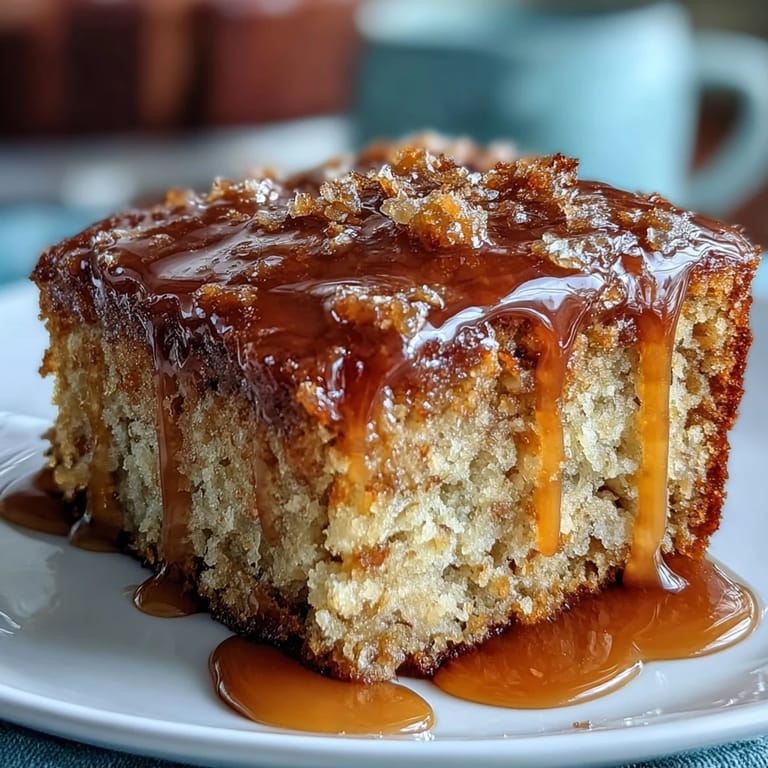
 There's something about watching someone taste this cake for the first time that never gets old—the way the floral honey, bright lemon, and tender crumb all come together in one bite. It's become my go-to cake for when I want to feel like I've given someone something genuinely thoughtful, without having to spend all day in the kitchen.
Why Dandelion Honey Matters
Dandelion honey has this delicate, almost grassy-sweet quality that reads as sophisticated without being fussy. The first time I used it, I was honestly skeptical—dandelions seem like weeds, not flavor—but the honey transforms into something elegant in baked goods. It reminds me of eating flowers that actually taste good, which sounds pretentious but genuinely isn't.
Making This Cake Your Own
If you want to lean harder into the floral thing, the recipe notes mention adding finely chopped dandelion petals (only from unsprayed plants), which sounds wild until you taste how they add this subtle color and texture. You could also experiment with different honey varieties—lavender honey would be stunning, or even acacia if you want something lighter and more delicate. The base cake is forgiving enough that you can play around without worrying you'll ruin it.
Storage and Serving
This cake actually tastes better the next day because the flavors have time to settle and deepen—store it in an airtight container at room temperature for up to 3 days. It pairs beautifully with herbal tea (chamomile or rose hip are perfect), and if you want to be fancy, a crisp white wine with floral notes like Gewürztraminer is genuinely magical alongside it.
- Slice with a warm, damp knife between each cut to keep the glaze from cracking and the crumb from smudging.
- If you're bringing this to a gathering, glaze it just a few hours before serving so the glaze stays glossy and pretty.
- This cake keeps well, but eat it within 3 days because after that the moisture starts to turn it slightly dense.
 Save to Pinterest
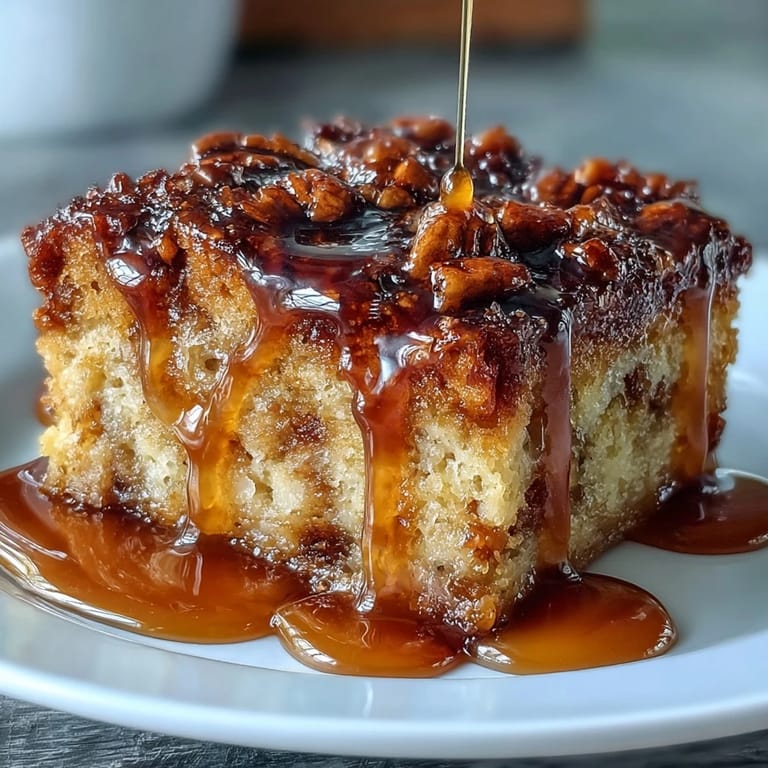
 This cake has genuinely become the recipe I reach for when I want to make something that feels thoughtful but not stressful. It's the kind of cake that reminds you why baking is worth doing.
Recipe FAQs
- → What gives this cake its floral flavor?
The floral notes come from dandelion honey, which imparts a unique sweet and slightly floral taste to the cake.
- → How is the lemon glaze prepared?
The glaze is made by whisking powdered sugar with freshly squeezed lemon juice and dandelion honey until smooth, then drizzled over the cooled cake.
- → Can I enhance the dandelion flavor?
Yes, finely chopped unsprayed dandelion petals can be added to the batter for a more pronounced floral taste.
- → What baking pan size is recommended?
A 9-inch (23 cm) round cake pan is ideal for even baking and proper cake shape.
- → How should leftovers be stored?
Store leftovers in an airtight container at room temperature for up to three days to maintain freshness.