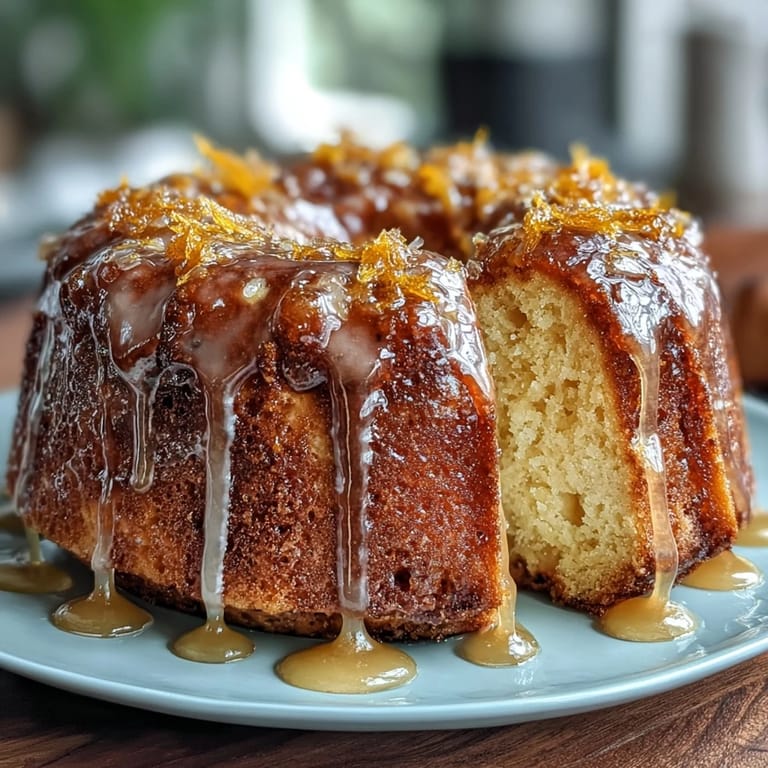
 Save to Pinterest
 There's something about the smell of lemon zest hitting a warm mixing bowl that makes you feel like you're already winning at baking. A few years back, I'd bought three lemons at the farmers market without any real plan, just because they looked impossibly bright and perfect. By evening, I'd decided to stop overthinking desserts and just make something simple—something that would taste like sunshine in a loaf tin. This lemon drizzle cake became my answer to that impulse, and it's stayed in regular rotation ever since.
I made this for my neighbor Margaret one April afternoon when she'd been dealing with a tough few weeks. She came by for tea and ended up staying for a slice, and watching her face soften when she tasted it felt like the whole point of baking. She asked for the recipe that day, and now whenever I see her, she mentions how it reminds her that small kindnesses still matter.
Ingredients
- Unsalted butter, softened (200g): Room temperature is non-negotiable here—cold butter won't cream properly, and you'll end up with a dense cake instead of that light, tender crumb you're after.
- Caster sugar (200g): This fine, dissolving sugar is worth seeking out because it creams beautifully with the butter and disappears into the batter in a way regular sugar can't quite manage.
- Large eggs (3), room temperature: Cold eggs won't incorporate smoothly, so pull them out of the fridge about 20 minutes before you start mixing—it genuinely makes a difference.
- Lemon zest, finely grated (1 tbsp from 2 lemons): Use a microplane if you have one, and zest before you juice—the oils in the peel are where the real lemon character lives, so don't skip this step.
- Self-raising flour (200g): This already has baking powder mixed in, which keeps the recipe simple and the rise predictable.
- Baking powder (1/2 tsp): The extra lift here ensures the cake stays tender and doesn't sink in the middle as it cools.
- Salt (1/4 tsp): A tiny pinch sharpens the lemon flavor and balances the sweetness in a way you won't quite taste but will definitely notice if it's missing.
- Whole milk (3 tbsp): This keeps the batter loose enough to pour smoothly and contributes to that moist final texture.
- Freshly squeezed lemon juice (2 tbsp for the cake, 3 tbsp for the glaze): Fresh juice is absolutely essential—bottled just tastes flat by comparison, and this recipe deserves the real thing.
- Icing sugar (80g): Sift this before mixing with the lemon juice so you don't end up with lumps in your drizzle.
Tired of Takeout? 🥡
Get 10 meals you can make faster than delivery arrives. Seriously.
One email. No spam. Unsubscribe anytime.
Instructions
- Prepare your oven and tin:
- Heat your oven to 180°C and line your loaf tin with baking parchment, letting the paper come up the sides—this makes turning out the finished cake infinitely easier. A light grease under the parchment stops it from shifting around as you pour the batter in.
- Cream the butter and sugar:
- Beat the softened butter and caster sugar together for a full 3–4 minutes, until the mixture is pale, fluffy, and noticeably lighter than when you started—this aerates the batter and is where the cake's tenderness begins. You'll know you're there when it looks almost like whipped cream.
- Incorporate the eggs one at a time:
- Add each egg individually, beating well after each addition so it fully integrates before the next one joins. If your mixture ever looks split or curdled, don't panic—a spoonful of flour stirred in will bring it back together.
- Add the lemon zest:
- Stir in that bright yellow zest now, letting it distribute through the creamed mixture so every bite carries that fresh, citrusy note.
- Fold in the dry ingredients gently:
- Sift the flour, baking powder, and salt directly into the bowl and fold with a spatula using gentle, sweeping motions—overworking at this stage is the enemy of a tender crumb. Stop folding as soon as you don't see any white streaks of flour.
- Mix in the milk and lemon juice:
- Fold these in last until the batter is smooth and pourable, but again, don't overmix—you're aiming for a thick pourable consistency that drops from a spatula without dripping off.
- Transfer to the tin:
- Pour the batter into your prepared loaf tin and smooth the top with a spatula so it bakes evenly, but don't worry about it being perfectly level—slight variations look more homemade and charming.
- Bake until golden:
- Slide the tin into the oven and bake for 45–50 minutes, checking around the 45-minute mark by inserting a skewer into the center—it should come out clean or with just a couple of moist crumbs clinging to it. The cake will rise, dome slightly, and turn a pale golden color.
- Prepare the lemon drizzle while it bakes:
- Sift the icing sugar into a small bowl and whisk in the lemon juice a little at a time until you have a thick, pourable consistency that flows from a spoon but holds together. You want it thinner than frosting but thicker than lemon juice.
- Glaze while warm:
- Once the cake comes out of the oven, let it cool in the tin for 10 minutes, then use a skewer to poke holes all over the top—make them close together so the glaze can seep in and saturate the cake. Slowly drizzle the lemon mixture over the warm cake, letting it pool and seep into those holes, which is where all the flavor magic happens.
- Cool completely before slicing:
- Leave the cake in the tin until it's completely cool to room temperature, then run a thin knife around the edges and turn it out onto a wire rack. This patience pays off because the glaze sets as it cools, creating that characteristic tangy crust on top.
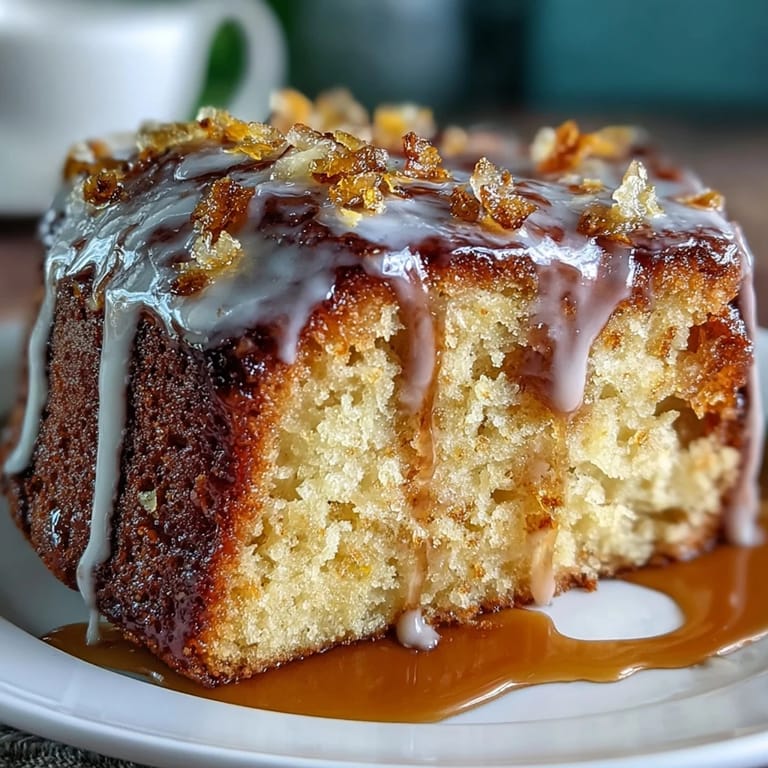 Save to Pinterest
 The first time my daughter's friend tried this cake, she asked if it was from a bakery, and my daughter said, 'No, my mum made it,' with this matter-of-fact pride that made the whole afternoon feel special. Small moments like that remind me why I keep baking.
The Secret to the Moist Crumb
The magic here isn't just in the glaze—it's in the combination of milk and lemon juice in the batter itself, which keeps the cake tender and moist days after baking. The lemon juice adds both flavor and acidity, which reacts with the baking soda in the self-raising flour to create extra lift and a fine, delicate texture. Many people think a loaf cake needs to be dense, but this one proves that wrong by being light enough to almost dissolve on your tongue, yet substantial enough to feel genuinely satisfying.
Why Fresh Lemon Juice Changes Everything
Bottled lemon juice tastes thin and plasticky by comparison, and since lemon is literally the whole point of this cake, it deserves the real thing. I learned this the hard way by making a batch with bottled juice when I was in a rush, and the result was a cake that tasted vaguely lemony instead of boldly, joyfully citrusy. Now I always have fresh lemons in a bowl on my counter, and squeezing them by hand takes maybe two minutes total.
Storage, Variations, and When to Serve This Cake
This cake actually improves after a day, as the glaze continues to be absorbed and the flavors deepen and meld together—so bake it the day before if you're serving it at a gathering. Wrapped well in clingfilm, it keeps beautifully for up to four days, and it freezes wonderfully for up to three months (though the glaze is best applied after thawing). For a grown-up twist, replace half the lemon juice in the glaze with limoncello or even elderflower cordial, or add a handful of poppy seeds to the batter for a subtle nutty texture that plays beautifully against the bright citrus.
- Serve slices with whipped cream and fresh berries for an afternoon tea moment that feels effortless.
- Toast leftover slices lightly and serve with butter, which adds warmth and richness to every bite.
- A thick slice with strong coffee or Earl Grey is the perfect pairing, especially in springtime when you want something bright but still comforting.
 Save to Pinterest
 Baking this cake has become my quiet way of saying 'I care' without needing to say anything at all. It's simple enough that anyone can make it, but thoughtful enough that it always feels like a gift.
Recipe FAQs
- → What type of flour is best for this loaf?
Self-raising flour works well to give the loaf a light and airy texture without added leavening agents.
- → Can I add extra flavor to the drizzle?
Yes, substituting half the lemon juice in the drizzle with limoncello adds an adult twist and depth to the glaze.
- → How do I ensure the loaf stays moist?
Incorporating milk and not overmixing the batter helps maintain moisture and a tender crumb.
- → What’s the best way to apply the lemon glaze?
While the loaf is still warm, poke holes with a skewer and slowly drizzle the glaze to allow it to soak in evenly.
- → Can I include any additions for texture?
Adding a handful of poppy seeds to the batter will give a pleasant crunch and visual appeal.