 Save to Pinterest
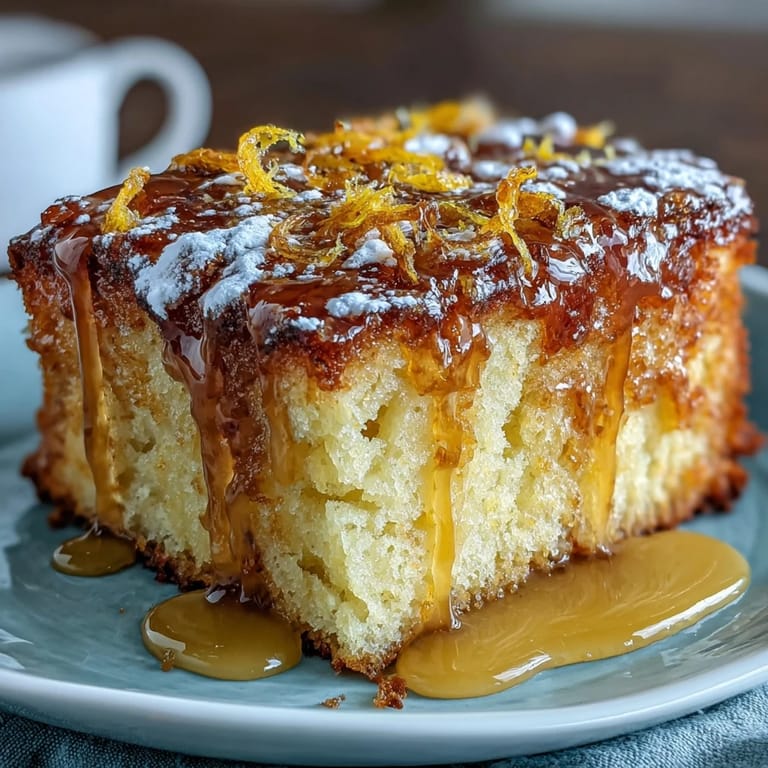
 My aunt handed me a bottle of Limoncello at a family gathering in Amalfi, and I spent the entire train ride back to Rome thinking about how to use it beyond the traditional after-dinner pour. By the time I reached my tiny Roman kitchen, I'd decided: a pound cake, bright and buttery, soaked in that citrus bite. That first slice, still warm with the glaze pooling into its tender crumb, made the whole journey worthwhile.
I baked this cake for my neighbor who'd just moved into the building, and she came back two hours later asking for the recipe with flour still on her apron—she'd already started another one. There's something about handing someone a slice of something homemade that bridges the awkwardness of being new somewhere, and this cake does that better than small talk ever could.
Ingredients
- Unsalted butter, softened: Room temperature butter creams properly and traps air, which is everything for a tender crumb; cold butter will fight you.
- Granulated sugar: This is your structure and sweetness working together, so don't skip the creaming step.
- Room temperature eggs: Cold eggs won't incorporate smoothly, and you'll end up with a grainy batter instead of a silky one.
- Limoncello liqueur: The star ingredient—its herbal, bright citrus notes are nothing like bottled lemon juice, so it's worth the splurge if you have it.
- Whole milk, room temperature: This keeps the crumb tender and adds a subtle richness that balances the acidity of the lemon.
- Freshly grated lemon zest: The oils in fresh zest are where the real lemon flavor lives; pre-zested jars just can't compete.
- Fresh lemon juice: Use it for both the batter and glaze—it's the backbone of the tang.
- All-purpose flour: Standard choice here, but cake flour will make it even softer if you're feeling fancy.
- Baking powder: Your leavening agent, and crucial for getting that tender rise without being airy.
- Salt: A small pinch that makes the lemon taste even more like itself.
Tired of Takeout? 🥡
Get 10 meals you can make faster than delivery arrives. Seriously.
One email. No spam. Unsubscribe anytime.
Instructions
- Prepare your pan and oven:
- Preheat to 350°F and grease your loaf or bundt pan thoroughly, then dust it with flour so the cake releases cleanly when it cools.
- Cream the butter and sugar:
- Beat them together for 3-4 minutes until the mixture is pale, fluffy, and noticeably lighter in color—this step incorporates air that helps the cake rise evenly. If you skip ahead before it's truly fluffy, your cake will be denser than it should be.
- Add the eggs one at a time:
- Let each one fully incorporate before adding the next; this prevents the batter from breaking and ensures a smooth, emulsified mixture. This is where patience actually matters.
- Mix in the wet flavoring ingredients:
- Stir the zest, Limoncello, juice, and milk together gently until just combined—you're adding brightness here, not overworking the batter.
- Whisk the dry ingredients separately:
- Combine flour, baking powder, and salt in their own bowl so the leavening distributes evenly and you don't end up with pockets of baking powder.
- Fold everything together:
- Add the dry mix to the wet ingredients slowly, stirring just until you can't see streaks of flour anymore—overmixing develops gluten and makes the cake tough and dense. This is the moment to show restraint.
- Pour and bake:
- Spread the batter evenly in the pan and bake for 50-55 minutes until a toothpick comes out clean with just a few moist crumbs clinging to it. If your oven runs hot, start checking at 48 minutes.
- Cool with intention:
- Let it rest in the pan for 15 minutes so it sets enough to turn out without falling apart, then cool completely on a rack before glazing so the glaze doesn't melt off.
- Make and apply the glaze:
- Whisk powdered sugar, lemon juice, and Limoncello until it's pourable but still clings to the cake—thick enough to coat, thin enough to drizzle. Let it set for at least 15 minutes before slicing so it stays put.
 Save to Pinterest
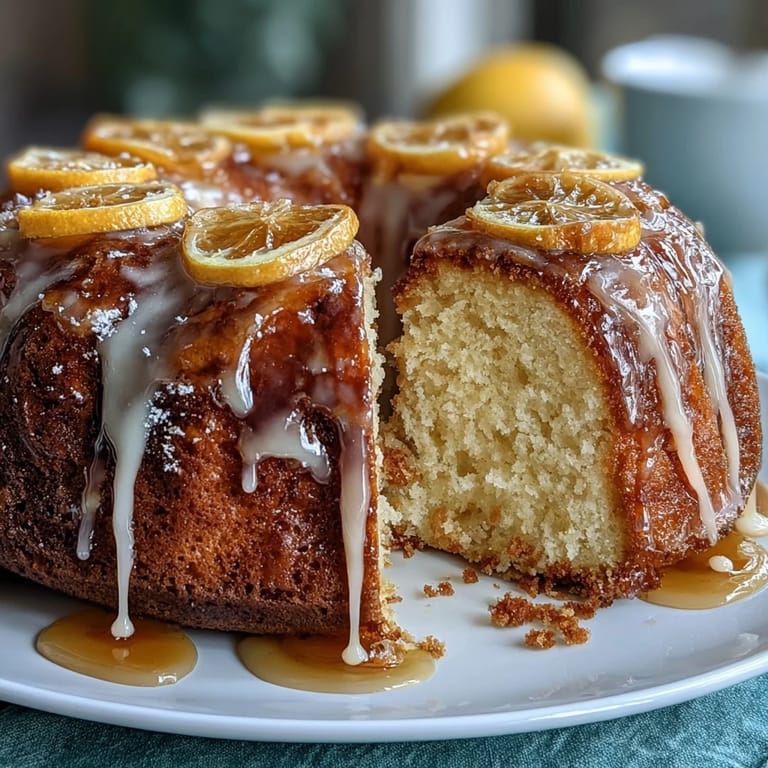
 My friend tasted this cake and immediately asked if I'd made it just for her, then laughed when I admitted I make it monthly now because there's something about the ritual of grating zest and mixing butter that settles my mind after stressful weeks. Food doesn't always have to be fancy to matter.
Why Room Temperature Matters More Than You Think
The first time I rushed this cake and used cold eggs straight from the fridge, the batter broke into a grainy, separated mess that baked into something dense and almost rubbery. Letting everything sit on the counter for 30 minutes transformed it entirely—the butter creams smoother, the eggs incorporate without protest, and the final cake has that light, tender crumb that makes you want another slice immediately.
The Glaze Is Its Own Thing
I used to think the glaze was an afterthought, just a pretty finish, until I made a batch without enough lemon juice and ended up with something that tasted like sweetened plaster. The ratio matters because the glaze should sing with citrus as much as the cake itself—it's your final bright note, your reminder of why you started with that bottle of Limoncello in the first place.
Variations and Serving Suggestions
This cake is forgiving enough to dress up or down depending on the moment. Serve it plain with afternoon tea, or add whipped cream and fresh berries for something more dessert-like—I've even crumbled leftover slices into vanilla ice cream on a warm evening and pretended I'd invented something entirely new. The cake keeps covered at room temperature for three days, which means you can bake on Wednesday and still have perfect slices on Friday.
- If you want to skip the alcohol entirely, replace the Limoncello with the same amount of fresh lemon juice, though the flavor will be brighter and less herbal.
- For a lighter texture, swap half the all-purpose flour for cake flour and your crumb will be even more tender.
- Fresh berries, mascarpone, or a simple dusting of powdered sugar all work beautifully with this cake.
 Save to Pinterest
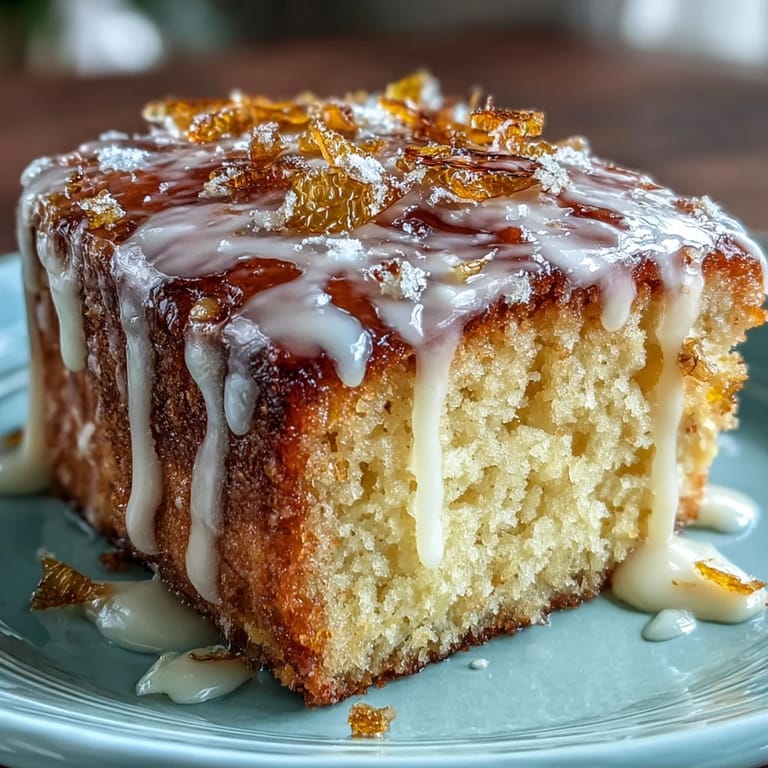
 This cake has become my answer to the question of what to bring when I want to show up for someone without overthinking it. It's reliable, beautiful, and tastes like care.
Recipe FAQs
- → What gives the cake its citrus flavor?
Fresh lemon zest and juice, combined with Limoncello liqueur, infuse the cake with bright citrus notes.
- → Can I make this loaf without alcohol?
Yes, substitute the Limoncello with additional lemon juice for similar flavor without alcohol, though the complexity will be milder.
- → How do I know when the cake is done baking?
Insert a toothpick into the center; it should come out clean when the cake is fully baked, usually after 50–55 minutes.
- → What pan size is recommended?
A 9x5-inch loaf pan or bundt pan works best to ensure even baking and proper rise.
- → How can I make the cake texture lighter?
Replacing half of the all-purpose flour with cake flour results in a softer, lighter crumb.
- → What toppings complement this cake?
Extra lemon zest, fresh berries, or a dollop of whipped cream enhance the flavor and presentation beautifully.